
If you have a planned C-section coming up, you're probably equal parts relieved to have a date on the calendar and quietly freaking out about what to actually do before it happens. Been there. Here's everything I wish someone had told me — organized so you can actually use it.
Before Your C-Section: What to Do in the Weeks Leading Up
Find out exactly where to go
This sounds obvious, but hospitals are confusing. If you're not already familiar with the layout, do a dry run. Figure out where to park, which entrance to use, and where to check in. Many hospitals also require you to pre-register and pre-certify your birth with your insurance provider ahead of time so call to confirm so there are no surprises.
Meal prep
Make freezer meals or put takeout gift cards on your baby registry. You will not want to cook after abdominal surgery. This tip applies to any birth, but it's especially true for C-section recovery.
Stock your wardrobe
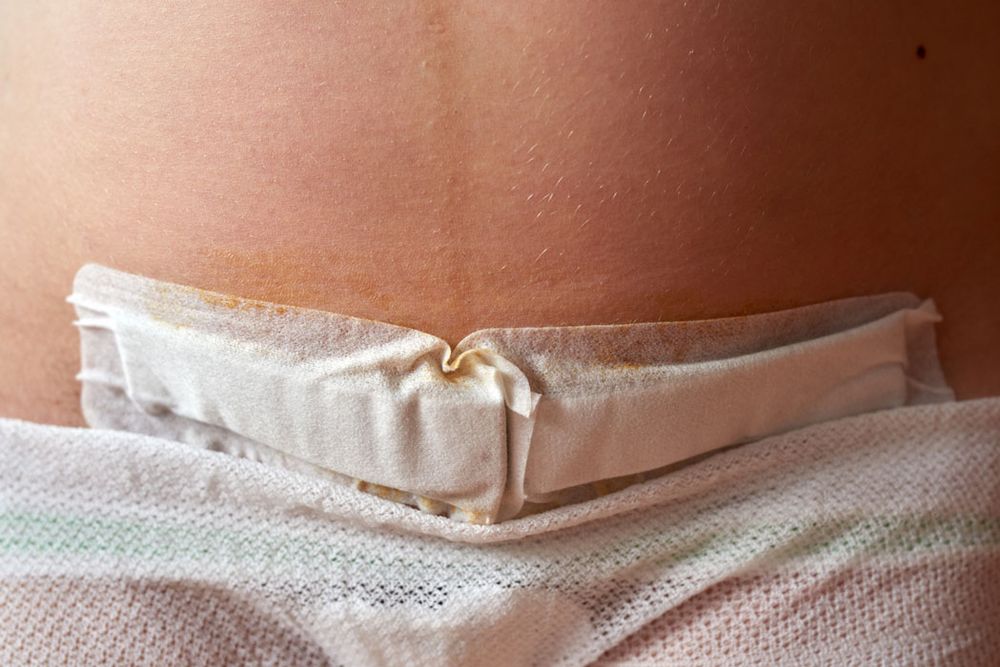
If you don’t already have them, buy loose, high-waisted underwear and pants before you deliver. Your incision will sit right where the waistband of low-rise underwear lands, which is not a fun discovery post-op. Maternity pants are actually great recovery wear, so don't pack them away yet. Skip anything with zippers, buttons, or stiff material for at least a few weeks. Belly Bandit makes well-regarded post-C-section underwear and belly wraps that provide gentle pressure on the incision.
Get a step stool
If your bed is on the higher side, a simple step stool makes an enormous difference when you're getting in and out during recovery. Low-effort purchase, high-impact result.
Talk to your doctor about pain management
Ask specifically about stool softeners. Post-surgery pain meds make bathroom trips really difficult, and your doctor may recommend starting them proactively. Also ask about what painkillers you'll be sent home with and whether you should have acetaminophen or ibuprofen on hand as backup. Don't assume the hospital will cover everything you need.
Plan your support
If your partner can't take time off, see if a family member or close friend can stay with you or check in daily for the first week. Your mobility will be limited, you'll be more tired than you expect, and having someone to hold the baby while you shower or nap is genuinely life-changing.
Write a birth plan
Having a C-section doesn't mean you don't get preferences. Write down your wishes – delayed cord clamping, who's in the room, skin-to-skin contact, visitor policies. Things may shift in the moment, and that's okay, but having it written out means your care team knows what matters to you.
Arrange childcare and pet care
One genuine advantage of a scheduled C-section: you have a real date to give people. Line up care for other kids or pets in advance so that's one less thing to think about on the day.
The Night Before: What to Do (and What Not to Do)
Confirm your appointment time
Your hospital may call you the night before. In some cases, they'll offer an earlier slot if their schedule opens up (worth taking if it works for you).
Do not eat after your cutoff time
Your care team will give you a specific time to stop eating and drinking. Follow it – no sneaking snacks, no juice, nothing. You're having surgery, and having anything in your stomach is a genuine risk.
Do not shave
Leave the razor alone entirely. The CDC recommends against shaving near a surgical site because it creates tiny nicks in the skin that bacteria love. If the surgical team needs hair removed, they'll do it themselves with clippers right before surgery. No one on your care team cares about hair, I promise.
Shower the night before or morning of
You may not be able to shower for a couple of days post-op, so take one before you go in. One thing worth checking: some hospitals now ask you to wash with a special soap called Chlorhexidine Gluconate (CHG) the night before and morning of surgery, since studies show it reduces infection risk. Ask your care team at your pre-op appointment whether they recommend it.
Pack your hospital bag
Essentials: pajamas, a loose robe, slides (so you can wear them with socks or in the shower), maternity bras, a nursing-friendly top, toiletries, and everything for baby. One thing that surprised me: you'll still bleed heavily after a C-section, even though you didn't deliver vaginally. Pack overnight maxi pads. The hospital provides some, but bring your own too. Here's a helpful post on everything you might need.
Get to bed
Skip the last-minute prep and rest. I know sleeping is hard when you're pregnant and anxious, but being well-rested genuinely helps.
What to Expect on the Day
What to wear
Wear something comfortable to the hospital – you'll change into a gown almost immediately. Once you're in, you'll have a catheter placed before surgery, which stays in for about 12 hours after. The removal feels a little strange but doesn't hurt.
How long does a C-section actually take?
Here's something that surprised me: your baby actually arrives pretty early in the process – typically within the first 10–15 minutes of surgery. The rest of the time (another 30–45 minutes) is spent stitching everything back up. So the full procedure runs about 45–60 minutes total, but you won't be waiting until the end to meet your baby.
That said, here's something worth knowing: if you have a scheduled section, emergency C-sections will bump yours. I was scheduled for 7:30 a.m. and didn't go into the operating room until the afternoon because I was pushed back multiple times. It was fine, but I forgot to text my family what was happening, and they were terrified. Don't be me. Keep someone updated.
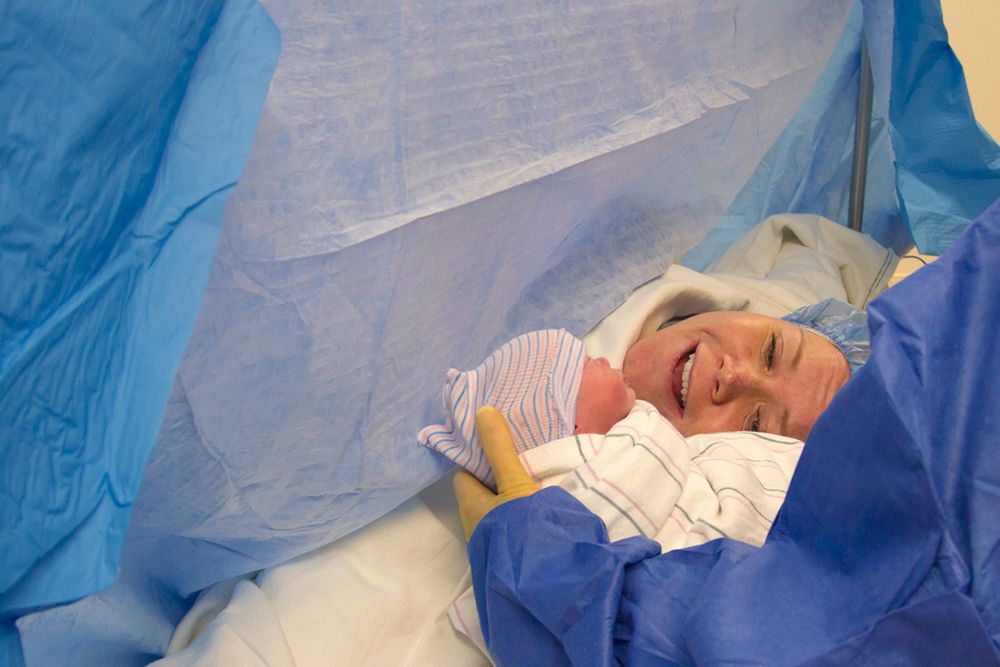
Before you go in, an anesthesiologist will check in with you. Once it's time, your support person will get to come in with you. For most planned C-sections, you'll get a spinal block or epidural – I was dreading this part, but it was fast and much less scary than I expected. In rare cases (usually emergencies), general anesthesia may be used instead. Your anesthesiologist will walk you through what's right for your situation. A curtain (or, at some hospitals, a clear drape if you want to watch) will be placed so you don't see the incision.
Once your baby arrives, you'll typically be able to do skin-to-skin right away. It's also very normal to shake after delivery (it's an adrenaline response, not something going wrong). You and your baby will go to a recovery ward for a few hours before moving to the postnatal ward. Hospital stays for C-sections are typically two to three days, though it can extend to four depending on your hospital's policy and how your recovery is going.
And that’s it – the hard part is over! Just kidding, you’re a parent now! Welcome to the club – we’re so glad you’re here.
Related Reading
- Ten Things You Should Know About Having a C-Section
- Hospital Bag Checklist
- C-Section Recovery: What the First Two Weeks Actually Look Like
Have a tip that helped you prepare for your C-section? Drop it in the comments — this is exactly the kind of thing other moms need to hear.

Leave a Comment