
The bottom line: Current medical guidance says no amount of alcohol is proven safe during pregnancy. For breastfeeding, occasional drinks (one standard drink with 2+ hours before nursing) are generally considered okay, but pumping and dumping doesn't speed up alcohol clearance.
What Medical Organizations Actually Say About Alcohol and Pregnancy
Here's what threw me when I started digging into this: everyone agrees heavy drinking during pregnancy is terrible, but the guidance on whether an occasional drink causes harm has gotten much stricter than I expected.
Major organizations including the CDC, ACOG, Health Canada, and the Canadian Paediatric Society all say the same thing now: there's no known safe amount, no safe type, and no safe time to drink alcohol during pregnancy.
Why "No Safe Level" Became the Standard
This isn't just North American pearl-clutching. The guidance is based on three key facts:
- Alcohol is a proven teratogen that can cause fetal alcohol spectrum disorders
- Clear risks show up with heavy and binge drinking, but studies haven't found a universal "safe threshold"
- Some research suggests effects even from light drinking (around 2–3 drinks per week)
- Individual susceptibility varies wildly, so "no safe level" is precautionary rather than proof that one drink will definitely cause harm
The Europe vs. North America Myth
I used to think Europeans were more relaxed about this – like they'd tell you to enjoy your wine and cheese while Americans clutched their pearls. Turns out that's outdated information.
Historically, yes, some European guidelines (particularly older UK advice) allowed 1–2 units once or twice a week. But current European and UK guidance has tightened significantly. Most European countries now advise that the safest choice is not to drink at all during pregnancy – same as North American guidance.
So if you were planning to move to France for your pregnancy drinking privileges, I have bad news. Merde.
The "I Drank Before I Knew I Was Pregnant" Panic
This is where I see the most anxiety in pregnancy forums. Someone has a few drinks, takes a test, sees two lines, and immediately spirals into guilt.
Here's what the medical community actually says: Don't panic over limited drinking before you knew you were pregnant, but stop once you know.
Many people drink before realizing they're pregnant – it's incredibly common. The main concerns are:
- Ongoing drinking after you know
- Higher weekly amounts throughout pregnancy
- Binge drinking patterns
The risk of serious fetal harm from a few early-pregnancy drinks before you knew is generally considered low. This is why clinicians focus on stopping once pregnancy is confirmed rather than catastrophizing past exposure.
Is there some moral judgment baked into the "it's fine before but not after you know" stance? Maybe. But the basic medical message is sound: limited early exposure before pregnancy recognition rarely causes serious harm, but continued drinking does carry risk.
What About Emily Oster's Research on Moderate Drinking?
Emily Oster's book Expecting Better caused a firestorm because she cited observational studies suggesting light or moderate drinking didn't show measurable harm in certain outcomes.
Here's the nuance that often gets lost:
What the studies showed: Some research found no obvious harm at low drinking levels
What critics point out:
- These are observational studies with major confounding factors (higher-income, more educated women both drink moderately AND have better outcomes for other reasons)
- Other research links even lower-level prenatal alcohol exposure to subtle neurodevelopmental effects and growth restriction
I find it a little insulting when people assume we can't distinguish between a glass of wine at dinner and a bottle of vodka before lunch. But the reason guidelines haven't changed to endorse "a drink or two as safe" is because some studies DO show possible risks even in the social drinking range.
There are definitely people with serious alcohol problems who need help (more on that below), but painting everything with a "just don't" brush can feel dismissive of the actual evidence.
When Drinking During Pregnancy Is Seriously Dangerous
Let's be absolutely clear: Binge drinking and excessive drinking (six or more drinks a day) will seriously harm your baby. I have no better way to phrase that.
Fetal Alcohol Syndrome is a completely preventable birth defect. High-level and binge alcohol exposure during pregnancy clearly increases risk of:
- Fetal alcohol spectrum disorders
- Growth restriction
- Congenital anomalies
- Miscarriage and stillbirth
Guidelines typically flag 4+ drinks on one occasion as a binge episode, with particularly high risk when this pattern repeats during pregnancy.
Daily heavy drinking has long been linked to classic fetal alcohol syndrome, including distinctive facial features, growth deficits, and significant neurodevelopmental impairment.
If You Think You Have a Problem
I know walking into your doctor's office pregnant and admitting you have an alcohol problem feels absolutely terrible. But these are people who deal with everything from anal fissures to way worse – you cannot show them anything they haven't seen a hundred times.
They can quickly point you toward help, and addressing it now means preventing a completely avoidable birth defect.
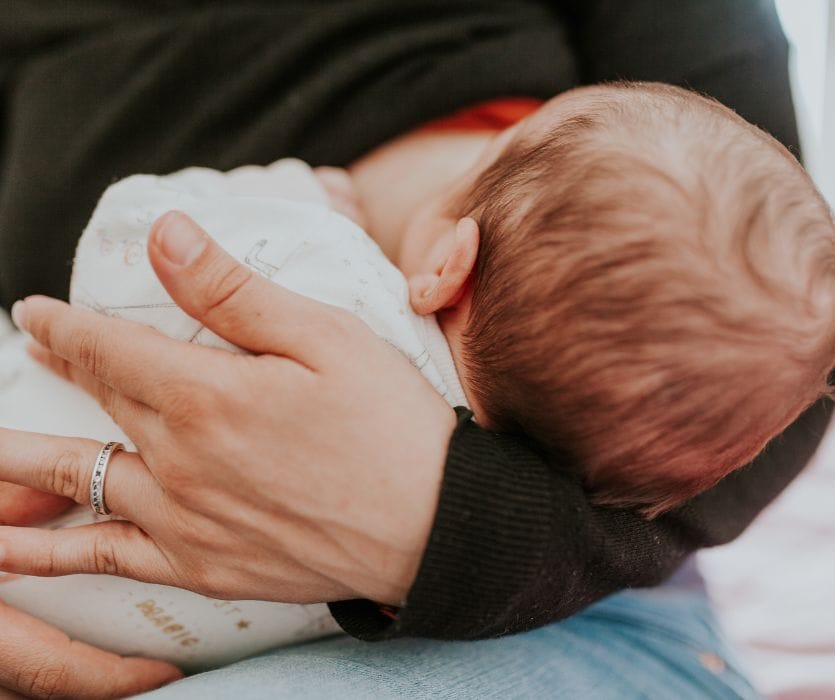
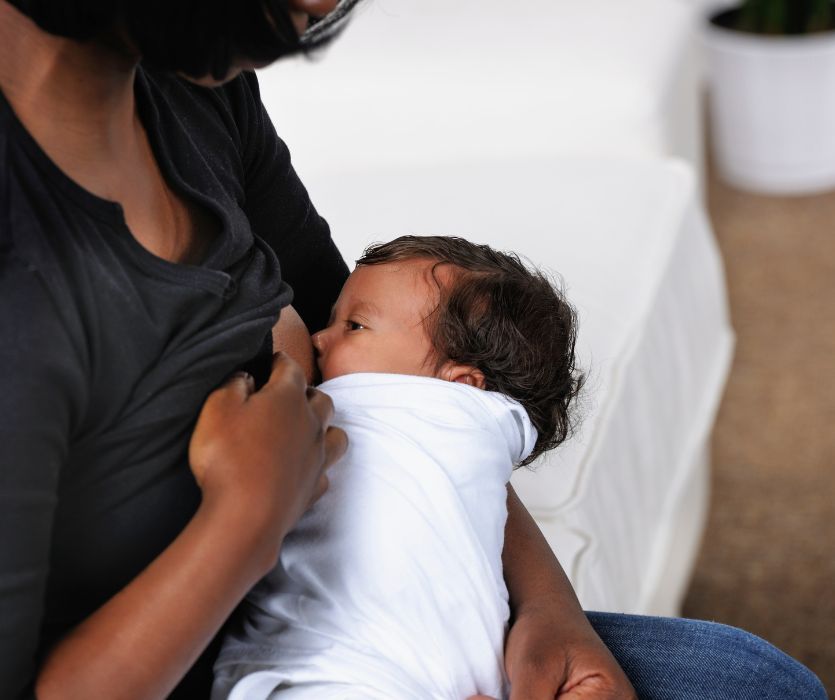
Drinking While Breastfeeding:
This is where things get less restrictive, and where a lot of myths need busting.
How Alcohol Gets Into Breast Milk
Alcohol passes into breast milk at levels that mirror your blood alcohol concentration, peaking about 30–60 minutes after drinking.
Even when a parent's blood alcohol is at the legal driving limit (0.08%), the amount reaching the infant is small. One study tested legally drunk breastmilk and estimated the baby's blood alcohol would be 0.006% – nowhere near intoxication levels.
But "small" doesn't automatically mean "no effect." Even low levels have been associated with shorter infant sleep after feeds containing alcohol and potential impacts on behavior.
The Truth About Milk Production and Infant Feeding
Contrary to the old wives' tale that alcohol increases milk production, alcohol actually inhibits oxytocin release, which can:
- Reduce milk ejection efficiency
- Decrease milk transfer during that feed
- Lower overall supply with repeated or heavier drinking
Here's what's interesting: babies may actually like the taste of milk with traces of alcohol and suck longer. This gives the impression they're eating more when they're actually getting less milk overall.
Pump and Dump Is Mostly Pointless
Current guidance is clear: pumping and dumping does not make alcohol leave your milk faster. Alcohol levels in milk fall as it's metabolized in your body over time.
Pumping can be useful to maintain supply or relieve engorgement if you're delaying a feed, but it doesn't "clear" the alcohol any faster than just waiting.
The actual guideline: Moderate alcohol intake (up to about 1 standard drink) with waiting at least 2 hours per drink before nursing is generally not considered harmful for a healthy, term infant.
So if you have a drink, it should diffuse out of your body and milk in about 2 hours, depending on your weight (less time if you're heavier, more if you're lighter).
What the Studies Actually Show About Breastfeeding and Alcohol
The research here is all over the place:
- One study found slightly lower motor development at 12 months with one drink per day
- Another showed higher developmental scores with MORE maternal drinking
Before you use that second study as a license to drink, understand this: these are observational studies heavily influenced by social and economic factors. Experts don't interpret these findings as evidence that drinking more improves development.
Current pediatric guidance still recommends minimizing alcohol while breastfeeding and keeping to small, occasional amounts with appropriate timing, rather than daily drinking.
Summary
Pregnancy: All major medical organizations (CDC, ACOG, Health Canada) say there's no known safe amount of alcohol during pregnancy. This isn't fear-mongering – it's because we can't predict who's at higher risk for harm, and studies show potential effects even at low levels. If you had a few drinks before you knew you were pregnant, don't panic – the risk from limited early exposure is considered low. Just stop once you know.
Breastfeeding: Occasional drinking (one standard drink with at least 2 hours before nursing) is generally considered compatible with breastfeeding. Alcohol passes into milk at low levels and clears as your body metabolizes it – pumping and dumping doesn't speed this up. Regular or heavy drinking can reduce milk production and affect your baby's sleep and behavior.
If you're struggling with alcohol dependence: Talk to your doctor now. Fetal Alcohol Syndrome is completely preventable, and your doctor can get you help without judgment.
Author: Amy Morrison | Mom of two, pregnancy researcher since 2010, founder of Pregnant Chicken
Leave a Comment