
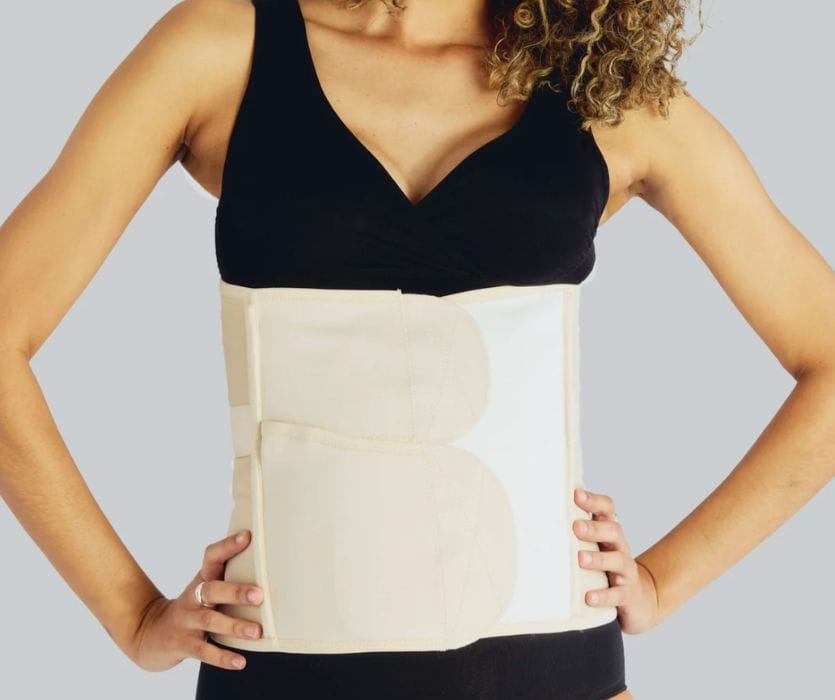
I've heard from so many women who swear by postpartum compression girdles that I finally went deep on the research to figure out what's actually going on with these things (and whether they're worth your money or just another product preying on exhausted new moms).
Short answer: for many women, they genuinely help. But there's a lot of noise out there, so let me cut through it.
What Is a Postpartum Compression Girdle,?
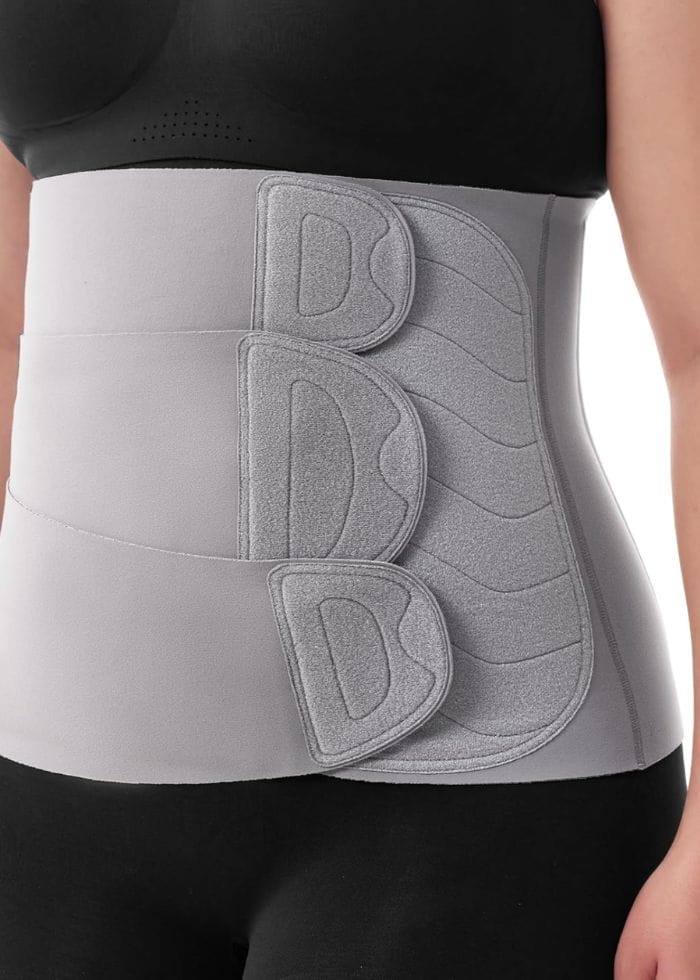
Also called belly bands, abdominal binders, or postpartum belly wraps, these garments provide gentle compression and support for your core after the physical trauma of birth (vaginal or c-section). They're usually lightweight and stretchy, and some include boning or structured support panels.
These are recovery tools, not reshaping tools. If a brand is promising you a snatched waist, back away slowly. The real benefit is helping your core, back, and pelvis stabilize while everything heals. Sort of like holding something in place while the glue dries.
What Do They Do?
Here's the breakdown of what postpartum compression garments can help with:
C-section recovery — The evidence here has actually gotten stronger in recent years. A 2024 meta-analysis of 13 randomized controlled trials found that abdominal binders meaningfully reduced pain and improved mobility in the first 48 hours after a c-section. That said, some individual studies still show conflicting results, so "it depends on the person" remains a fair take. For most women, there's little downside to trying one once your provider gives you the green light.
Back pain — Supporting your core takes strain off your lower back, which is already a mess from nine months of carrying a baby and now has the added fun of hunching over to feed and hold a newborn.
Diastasis recti — About 45% of women still have some degree of abdominal muscle separation at six months postpartum. Compression garments can help stabilize your core and support healing, but they can't fix the separation on their own. Think of them as a useful scaffold, not a solution. A pelvic floor physio is your best bet if things aren't closing up on their own.
Swelling and fluid retention — Compression encourages circulation and helps move excess fluid back into the lymphatic system, which is part of why things feel less puffy when you wear one.
What they won't do: Help you lose weight or permanently change your shape. They're not waist trainers, and treating them like one is both ineffective and potentially harmful.
When Can You Start Wearing One?
Most women can start within the first few days postpartum, once the initial swelling has begun to settle. Check with your provider first to get the green light – especially after a c-section.
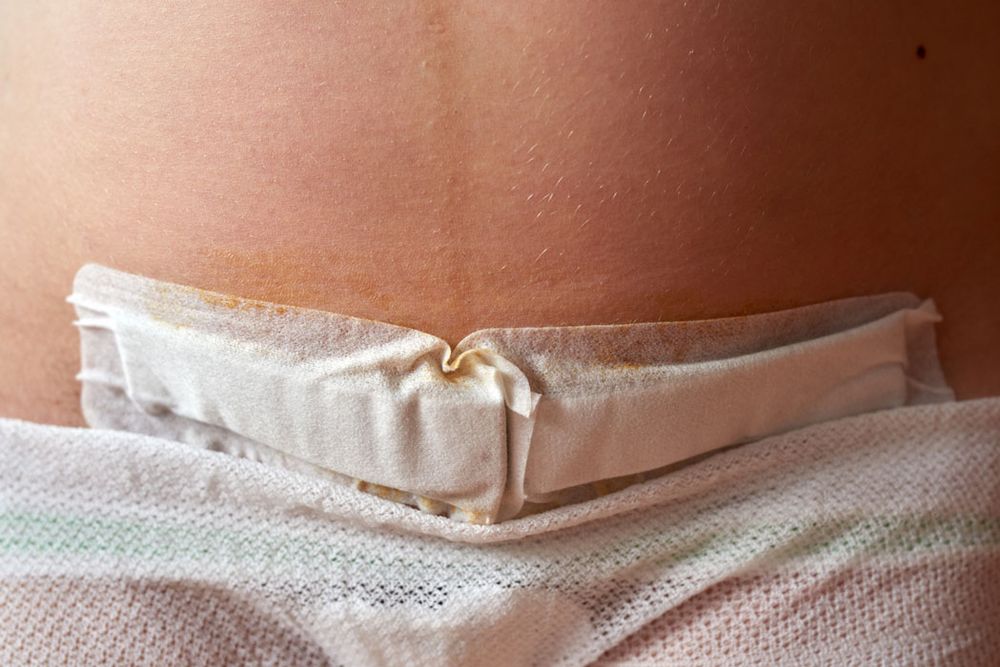
If you had a c-section: Your provider will want to assess how your incision is healing before anything sits directly on it. Some women are cleared within a few days; others need a bit longer. Don't assume and ask before you strap anything on. Some garments are designed with a side zipper or open panel specifically so they don't press directly on the incision site.
If you had a vaginal delivery: You can generally start sooner, but "sooner" still means once things have settled enough that compression feels supportive rather than uncomfortable. Let your body guide you.
The most important window is the first 6–12 weeks postpartum, when your body is actively laying down new collagen and your linea alba (the connective tissue between your ab muscles) is healing. Wearing a compression garment during this window gives it the best chance to heal in a well-supported position. You can still benefit later – some women report success up to 8–10 months postpartum – but earlier is typically better.
A Few Things Worth Knowing Before You Buy
Wrap from the bottom up. This one matters. Putting on a girdle or wrap starting at your waist and working down can push pressure onto your pelvic floor and, in some cases, contribute to prolapse. (Don't look that up if you don't need to.) Start at the hips and work upward. This isn't mentioned enough on product packaging, so tuck it away.
Don't let it do all the work. Wearing a compression garment for too long without also doing gentle core and pelvic floor rehab can actually slow muscle recovery because your core needs to rebuild its own strength. Think of the garment as training wheels, not a permanent fix.
How many hours a day? Most manufacturers recommend 10–12 hours a day. Just know that figure comes from product guidance, not clinical research. The practical advice: wear it during your active daytime hours, take it off to sleep, and take breaks if anything feels uncomfortable or restricted.
Check your FSA or HSA. Several of these products are FSA/HSA eligible, which can take some of the sting out of the cost. It's worth checking before you buy because you won't always find this information prominently on the product page.
How to Find the Right Size
You want snug vs. not breath-stealing. If it's restricting your breathing or making your pelvic floor feel pressured, it's too tight. Sizing varies a lot by brand: some use standard sizing (XS–3XL), others use measurements in inches, so know your current measurements before you shop. Always read reviews to see if something runs large or small, because postpartum sizing is genuinely all over the place.
Can Insurance Cover This?
Yes, sometimes. A few options:
- Belly Bandit accepts prescriptions and may be reimbursable through your insurer
- Several products are also FSA/HSA eligible so check your benefits before paying out of pocket
The Best Postpartum Compression Girdles
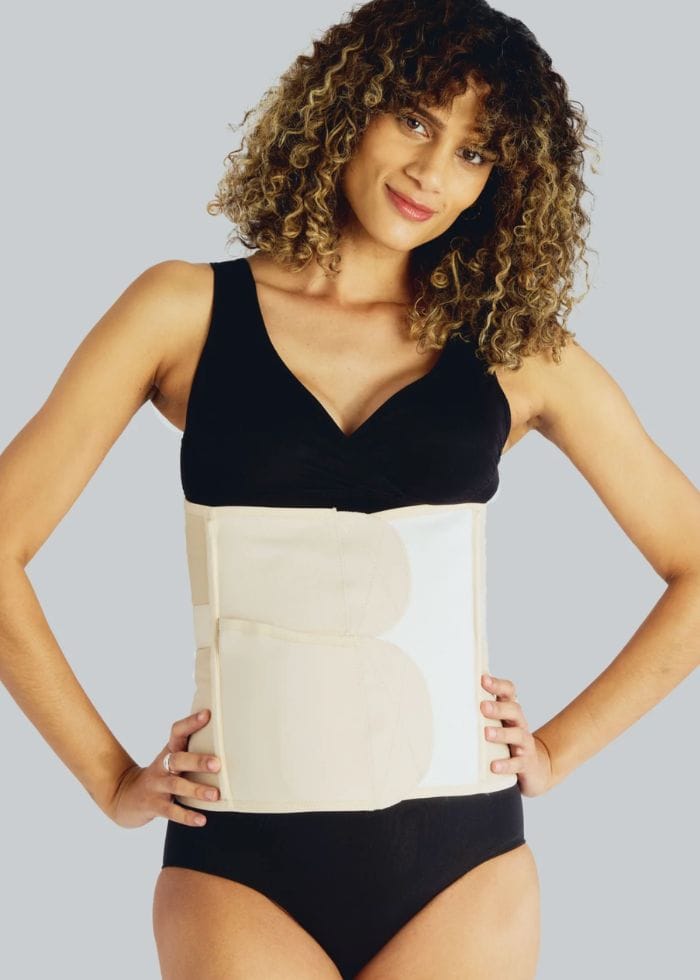
Best Single-Band Wrap
Belly Bandit Luxe Postpartum Belly Wrap — If you want one band that does the job without fuss, this is the one most women reach for. It comes in two heights (standard for taller and long-waisted frames, petite for shorter or short-waisted bodies) which makes a real difference in fit and comfort. One reviewer at 5'2" said the petite version was perfect; another at 5'3" noted she was nervous about sizing but followed the measurement guide and it fit great. Great choice for c-section recovery, general core support, and anyone who hates fiddling with multiple pieces. Shop at Belly Bandit
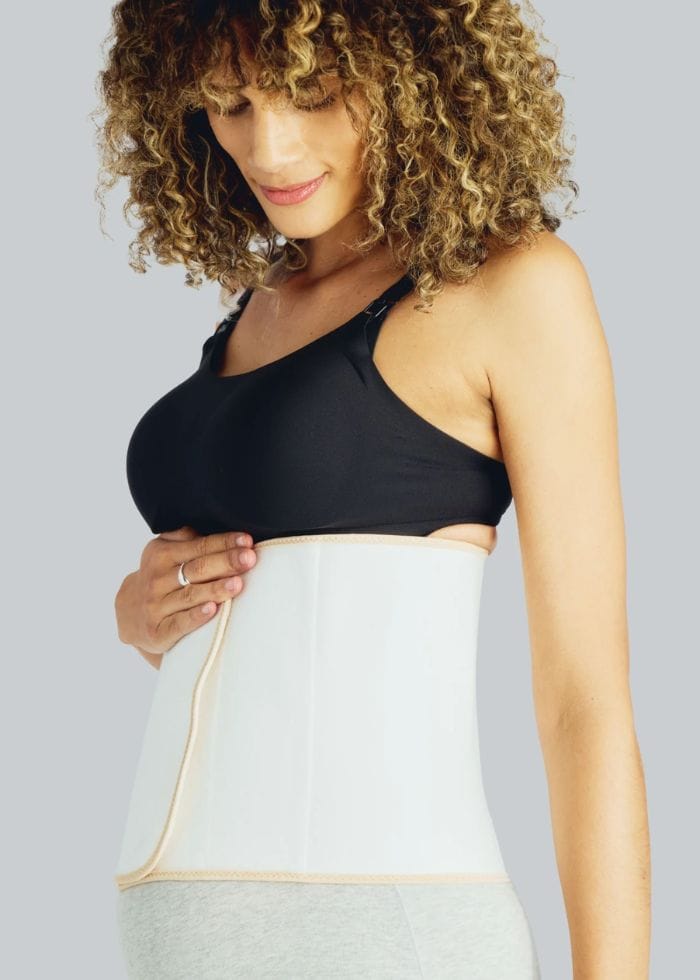
Best for C-Section Recovery (Soft Fabric)
Belly Bandit Viscose from Bamboo Belly Wrap — If your skin is sensitive post-delivery the bamboo viscose version is noticeably softer than standard wraps. Reviewers who had c-sections consistently say it helped them move around more comfortably in the early days, and that it felt better against healing skin than the hospital binder. The main watch-out: it runs small and can slide up on longer torsos. If you're above 5'7" or have a long midsection, it's worth reading the sizing reviews carefully before ordering. Shop at Belly Bandit
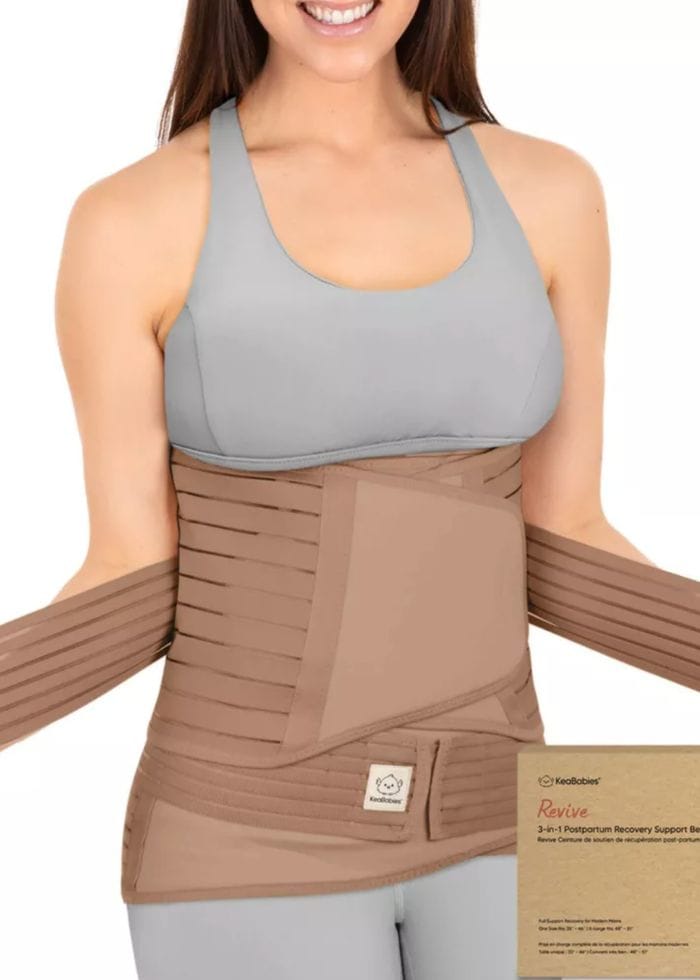
Best Adjustable / Budget-Friendly Option
KeaBabies Revive 3-in-1 Postpartum Belly Band — This three-piece system (belly, waist, and pelvis bands) gives you flexibility to wear all three together or just the sections you need depending on where you are in recovery. The separate pelvis piece is particularly useful for diastasis recti support. The only recurring complaint is that the velcro loses grip over time, especially with frequent washing. If velcro durability is a dealbreaker for you, the Belly Bandit Luxe (hook-free design) might be a better fit. Shop KeaBabies at Target.
Best for Lower Back Pain
Momcozy Ergowrap Postpartum Belly Band — The standout feature here is the structured back support panel that helps with posture and lower back pain — something the softer wrap-style bands don't provide as well. It tends to run small, and several reviewers recommend sizing up. If back pain is your primary complaint, this one is worth the extra attention to the size chart. Shop Momcozy on Amazon.
Signs It's Not Working for You
Not every body responds well to compression, and that's completely fine. Stop wearing it and check in with your provider or a pelvic floor physio if you notice any of these:
Pelvic pressure or heaviness: This can be a sign of pelvic organ prolapse, which happens when the pelvic floor muscles are too weak to handle the downward pressure from a garment that's too tight or put on incorrectly. It's more common than people realize postpartum, and a pelvic floor physiotherapist can assess and treat it. If you feel a sense of heaviness, bulging, or "something falling out" in your pelvic area, that's your body telling you to take the garment off and get checked out.
Difficulty breathing deeply: A little snug is fine. Not being able to take a full breath is not. You want 'support', not 'medieval torture device'.
Increased pain rather than relief: It should feel supportive, not worse.
Skin irritation, rashes, or chafing: Prolonged wear, especially in warmer weather, can cause this. Give your skin a break and make sure the garment is breathable.
The Bottom Line
Not everyone will need (or like) a compression garment, but if you're dealing with c-section recovery, back pain, diastasis recti, or just want some extra support while your body puts itself back together, it's worth trying. Start with a mid-range option, read the sizing reviews carefully, always wrap from the hips upward, and check your insurance and FSA/HSA benefits before you pay out of pocket.
And if you're struggling with pelvic floor issues, prolapse symptoms, or significant diastasis recti, please see a pelvic floor physiotherapist. A girdle can support the process, but it's not a substitute for actual rehab for the good china, and the right physio can make a genuinely dramatic difference to your recovery.
Have you used a postpartum compression girdle? Tell me what worked (or didn't) in the comments.
Our next reco: Compression Socks During Pregnancy: Feel The Awesome!
Leave a Comment