
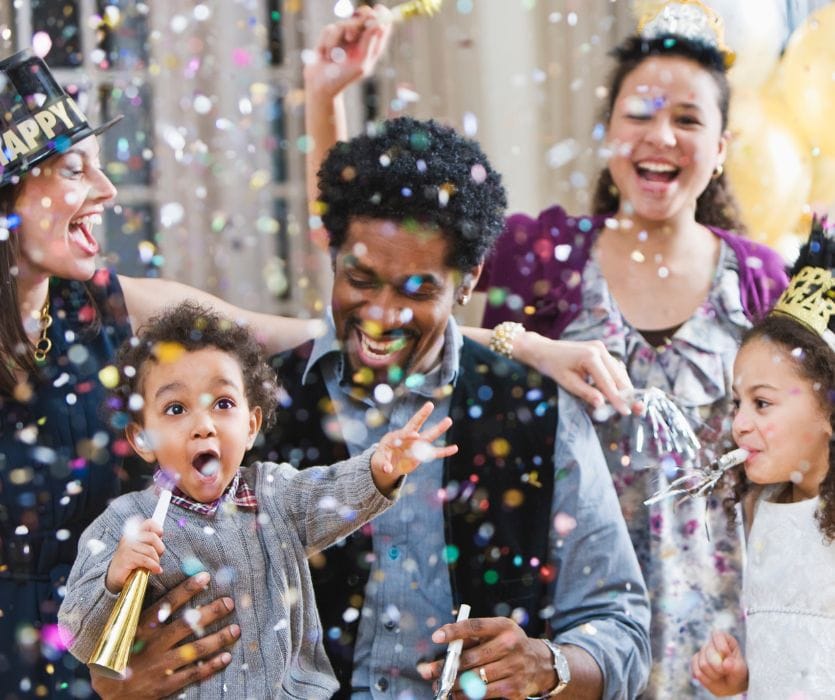
After five years of celebrating Noon Year's Eve with my own kids, I've discovered the secret to a stress-free New Year's celebration: skip midnight entirely. We countdown at 7pm (midnight in London), drop balloons in our living room, watch real fireworks on YouTube, and everyone's in bed by 8pm. It's become our favorite family tradition, and the kids look forward to it every year.
If you've ever dealt with overtired toddler meltdowns at 11:45pm or spent New Year's Day exhausted from staying up late, Noon Year's Eve is about to change everything.
In This Guide:
- What Noon Year's Eve is and why it works
- 11 tried-and-tested activities (with what actually worked for our family)
- Age-specific tips for toddlers through preschoolers
- How to celebrate without the midnight chaos
What Is Noon Year's Eve?
Noon Year's Eve lets young families celebrate the new year without keeping kids up past bedtime. Instead of waiting until midnight, you countdown at noon (or any time that works for your family) and still enjoy all the excitement and traditions of New Year's Eve.
The beauty? Complete flexibility. You're not locked into noon. Many families (including ours) sync countdowns to midnight celebrations in other time zones, giving kids the full New Year's excitement without the late-night meltdowns.
Why Noon Year's Eve Actually Works
We've tried forcing the midnight countdown and it didn't work. Our kids were cranky, we were exhausted, and nobody enjoyed themselves. When we switched to our 7pm London countdown five years ago, everything changed. The kids feel like they're part of a real celebration, they're excited instead of overtired, and we all wake up refreshed on New Year's Day.
The way I look at it is kids remember the togetherness and fun, not the exact time on the clock. Here are the ideas I've found the most success with.
1. Choose Your Perfect Countdown Time
Don't feel pressured to celebrate at noon. Pick whatever time matches your family's schedule and energy levels.
Time zone celebrations we love (we're on Eastern time):
- 6pm: Midnight in Germany (perfect if your town has German heritage)
- 7pm: Live London fireworks on YouTube (our go-to for five years)
- 8pm: Still early enough to avoid overtired kids
What we do: We set up a balloon drop in our living room, have sparklers or confetti poppers ready, and watch the actual London fireworks on YouTube. The kids feel connected to a real global celebration.
Pro tip: Check if your local science center, children's museum, or historical village hosts official Noon Year's Eve events. Many offer countdown celebrations designed specifically for young families.
2. Stream a Kid-Friendly Countdown
Zero-prep option: Search "kids New Year's countdown" on YouTube for ready-made celebrations at various times.
Our tested favorites:
- New Year's Eve Countdown For Kids with DANCE PARTY (Times Square themed)
- Patty Shukla's 10-minute countdown for kids
- Sesame Street New Year's Countdown
- Caitie's Classroom New Year's Eve Countdown
These work beautifully when you need something simple that still feels special.
3. Create Your Own DIY Ball Drop
Bring Times Square into your living room with a balloon drop kids can actually trigger.
Simple version (what we've done):
Tape a plastic tablecloth full of balloons to the ceiling with strings attached. When it's countdown time, let your toddler or preschooler pull the string to release the balloons. Don't overthink it, so the balloons actually fall.
Elaborate version:
Create a balloon clock by decorating balloons with specific times (6pm, 7pm, 8pm). Pop one each hour leading up to your chosen countdown. Each balloon can contain confetti, small treats, or notes about the next activity.
4. Build Excitement with Hourly Surprise Bags
Fill small paper bags with age-appropriate activities or treats: stickers, a small toy, a special snack, or a family game. Label each bag with a time (5pm, 6pm, 7pm) and let kids open one every hour.
5. Make a Kid-Approved Snack Board
Create a grazing board that doubles as an activity. Include favorites like fruit, popcorn, cheese cubes, pretzels, or tiny sandwiches cut into fun shapes.
Let your child help select items and arrange the board. For toddlers, this might mean choosing between strawberries or grapes. For preschoolers, they can arrange items by color or create patterns. This gives them ownership of the celebration and builds confidence.
Note: Stay mindful of choking hazards. The emergency room is already going to be full of 'hold my beer' incidents, so don't add rogue popped balloon and grapes while dancing to the mix.
For older kids: Create a "snack countdown" where you unveil a new treat every hour.
6. Start a "Family Wishes" Jar
This has become our most meaningful tradition. Each family member contributes one wish for the upcoming year – something they'd like to try, learn, or experience.
Real answers from our kids (ages 3 and 4):
- "I want to learn to ride a bike without training wheels"
- "I want to go to the beach and build the biggest sandcastle"
- "I want to eat ice cream for breakfast"
We place all wishes in a decorated jar and keep it somewhere visible. Throughout the year, we pull them out to make intentional memories together and check off wishes as we accomplish them (or decide that we have zero interest in doing that anymore). The hilarious and heartfelt responses become treasured memories.
7. Create a Family Time Capsule
Time capsules transform the abstract concept of time passing into something tangible that young children can understand.
What to include:
- Drawings or paintings from each family member
- Photos from favorite moments this year
- A handprint or footprint from your youngest child
- Written or dictated memories from everyone
- Small mementos (ticket stubs, a special leaf from a memorable hike)
Have each person explain why they chose their contribution. It's a nice way to reveal what each family member valued most.
Storage tip from experience: Keep your time capsule with your New Year's Eve decorations so you won't forget about it next year. Opening last year's capsule before creating this year's creates a beautiful tradition of reflection and growth.
8. Watch a "Year in Review" Photo Slideshow
This simple activity helps children understand the passage of time while celebrating growth and change.
What we do: We show pictures from exactly one year ago and go through our photo album month by month. "Remember your first day of PreK? Your first lost tooth? When we got the puppy – look how tiny she was!"
For preschoolers, having a physical calendar helps keep them oriented and reinforces learning about months and seasons. When we traveled, we'd also pull out a map to show where we went.
End with the future: Ask each child what they hope for next year. Write down their answers word-for-word. The honesty and creativity of responses from three and four-year-olds are priceless to read back twelve months later.
9. Make a Family Thankful Tree
Create a tree on poster board or butcher paper (or use a branch in a vase with paper leaves). Each family member adds leaves throughout the evening, writing or drawing something they're thankful for.
Young children might be thankful for their favorite toy, their pet, or "when Daddy made pancakes." Older children and adults can reflect on relationships, experiences, or personal growth.
Important: Take a photo of your completed tree. You'll want to remember how your youngest family members answered.
10. Host a Cozy Pajama Party
Consider bending bedtime rules and letting kids stay up slightly later, even if "late" means 8pm instead of 7pm.
Spend the evening in your coziest pajamas doing special activities: build a fort in the living room, tell silly stories, watch favorite movies together, play board games, or have a living room campout with sleeping bags.
The key is making the evening feel different and special without the pressure of actually making it to midnight.
11. Learn New Year's Traditions from Around the World
Use the evening as an opportunity to teach your children about how different cultures celebrate.
Ideas to try:
- Denmark: Jump off a chair when the clock strikes your countdown time
- Spain: Eat twelve grapes (or twelve raisins for younger kids) for good luck
- Germany: Watch a special countdown at 6pm (midnight in Germany)
- United Kingdom: Watch the London fireworks live at 7pm EST
- Scotland: Open the front door at midnight to let the old year out and the new year in
Pick one or two traditions, and talk about why people in that country do it and what it means. This cultural education feels like fun rather than a lesson.
Making It Work for Your Family's Ages
For families with toddlers (1-3 years):
Focus on sensory activities like balloon drops, simple crafts, and special snacks. Keep the timeline short and end while everyone's still happy.
For families with preschoolers (3-5 years):
Add more structure with hourly countdown bags, simple traditions like the wishes jar, and cultural learning about how other countries celebrate.
For families with multiple ages:
Combine activities so older kids can help younger ones. Older children can write wish jar entries for siblings who can't write yet, or help set up the balloon drop.
The Bottom Line on Noon Year's Eve
After five years of celebrating Noon Year's Eve, here's what I know: the most successful celebrations are the ones tailored to your specific family. Don't feel pressure to do everything – choose two or three activities that sound fun and manageable.
The goal isn't perfection. It's creating joyful memories that work with your children's ages, energy levels, and family dynamics. What our kids remember most isn't any single activity but the feeling of togetherness and the anticipation of starting fresh together as a family.
Have you celebrated Noon Year's Eve with your family? Share your experiences in the comments below. I'd love to hear what traditions have worked for other families.
Also check out: Baby's First Valentine's Day Photo Ideas
Leave a Comment