

If you've ever second-guessed a parenting decision or felt overwhelmed by conflicting advice, take comfort in knowing that you're not dangling your baby out a window in a wire cage or dosing them with opium syrup (hopefully).
What we consider "safe" and "normal" parenting changes dramatically over time and I was able to find quite a few eye-opening examples from parenting history. The practices below weren't fringe ideas – they were mainstream, doctor-recommended, and often sold in major catalogs. Hold onto your bloomers!
Feeding & Medication Practices
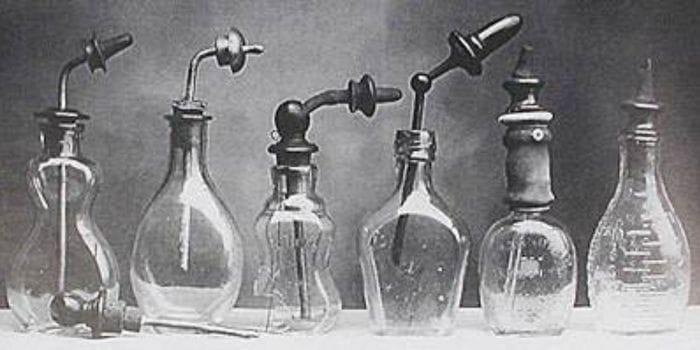
1. "Murder Bottles" Made Feeding Deadly (1860s-1920s)
These long-tube feeding bottles featured rubber tubes stretching up to 18 inches from the bottle to the nipple, creating an impossible-to-sterilize breeding ground for deadly bacteria.
What made them so dangerous: The long rubber hose couldn't be properly cleaned, forming a perfect environment for bacterial growth, and babies died at alarming rates.
When it changed: Despite attempts to ban them as early as 1897, the Sears, Roebuck & Co. catalog continued selling these bottles well into the 20th century. They weren't fully phased out until parents had access to safer, sterilizable bottles and a better understanding of germ theory.
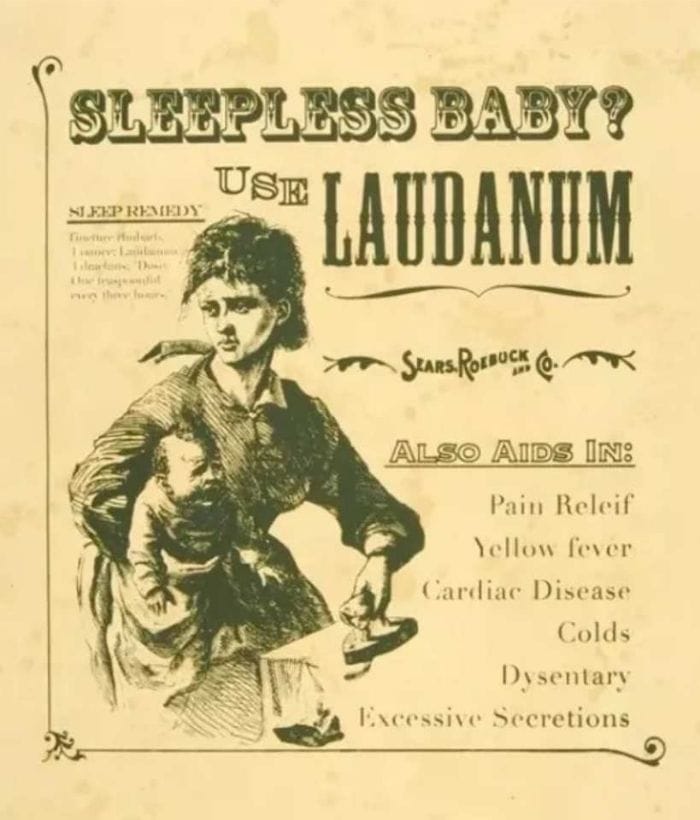
2. Laudanum: Opium for Teething Babies (1700s-Early 1900s)
I mean, why reach for a teether when you had opium handy?
Laudanum – an opium-based tincture – was routinely administered to babies for teething pain, fussiness, or general crying. Essentially, parents were sedating infants with narcotics. (Although she does look pretty tired in that ad, so I can't blame her.)
The reality: This created opium-addicted babies and masked serious health problems that presented as "fussiness."
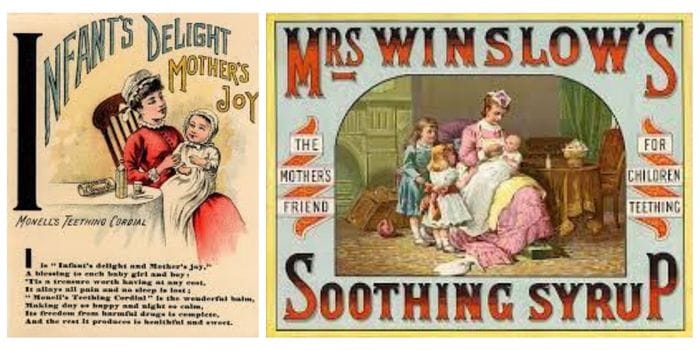
3. Soothing Syrups: Commercial Baby Sedatives (1840s-1920s)
Building on the laudanum trend, pharmaceutical companies created commercial "soothing syrups" laced with opium, morphine, or alcohol, marketed specifically to calm babies and help them sleep.
Popular brands like Mrs. Winslow's Soothing Syrup were widely advertised and trusted. Many weren't banned or reformulated until the Pure Food and Drug Act of 1906 began regulating these products.
Frankly, I wouldn't mind a couple of bottles of "soothing syrup' myself.
4. Sugar Rags as Pacifiers (18th-Early 20th Century)
British and North American parents routinely gave infants cloths soaked in sugar or sugary water to suck as makeshift pacifiers. (I read they were referred to as 'sugar tits'.) The result? Rampant sickness from dirty cloths and early tooth decay from constant sugar exposure.
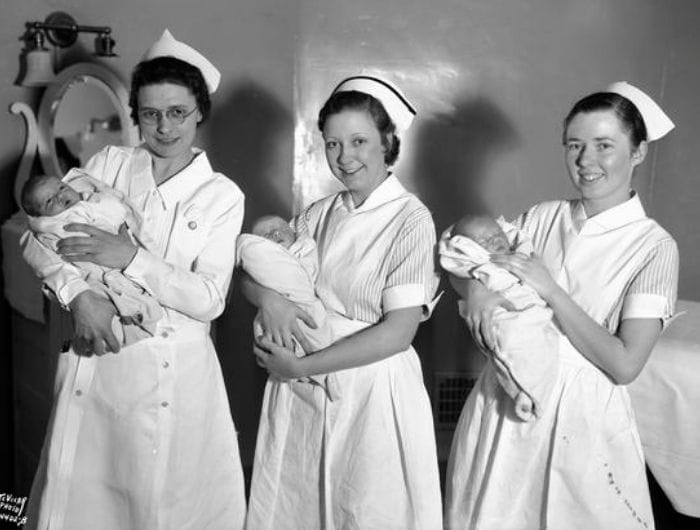
5. Rigid Feeding Schedules Ignored Hunger (1920s-1960s)
Early 20th-century "scientific parenting" demanded clockwork precision. Babies were fed on strict schedules – often every 4 hours – regardless of hunger cues. This meant infants crying between designated feeding times were simply left to cry.
Why it persisted: It was considered modern and scientific, giving parents a sense of control and routine.
What changed: Our understanding of infant needs, attachment theory, and the importance of responsive feeding eventually shifted recommendations toward feeding on demand. (Reading about this one just made me sad.)
Sleep & Containment Methods
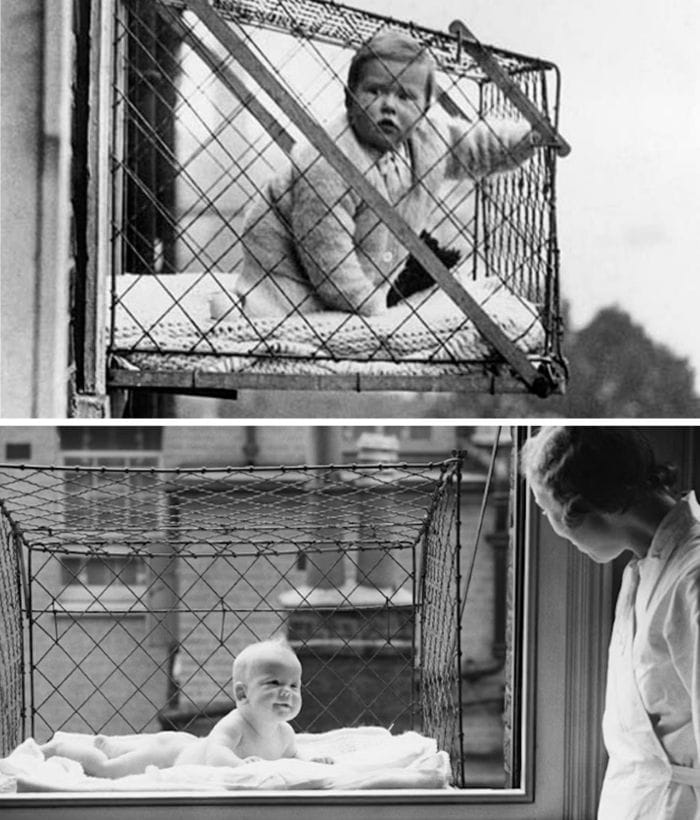
6. Baby Cages Hung from Windows (1920s-1940s)
Emma Read's 1922 patent for a "portable baby cage" became wildly popular in 1930s London. These wire boxes were suspended from apartment windows so babies could get fresh air when families lacked access to yards.
The thinking: Fresh air was considered essential for health, and urban apartment dwellers needed solutions.
While the images are a little shocking at first, the more I think about this one, the more I'm like, 'meh.' It kinda makes sense. Sort of like a baby 'catio'.
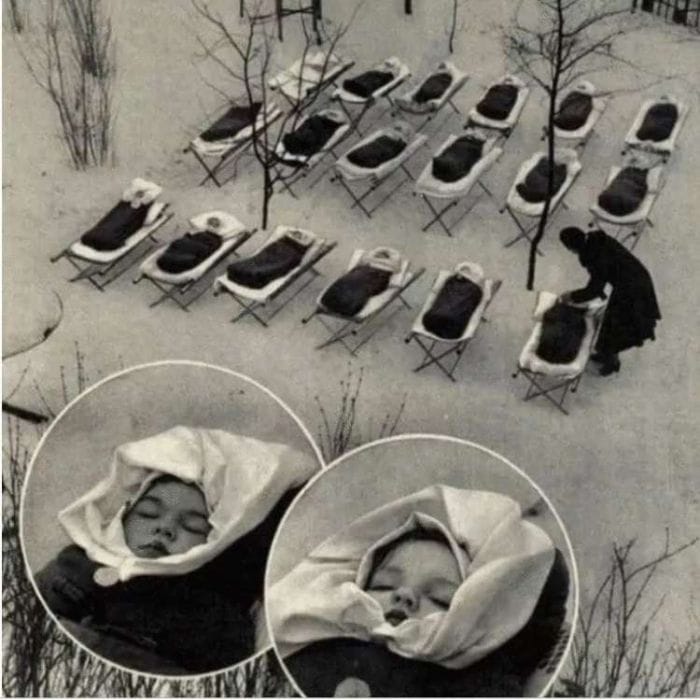
7. Outdoor Sleeping in Freezing Weather (1890s-1940s)
Beyond cages, the fresh air movement meant leaving babies and young children outside in frigid winter air for naps. This was believed to strengthen their constitution and ward off disease.
In Scandinavian countries, this practice actually continues in a modified, supervised form, but the historical version often meant leaving babies unattended outside in extreme cold.
As a Canadian who sleeps well in the cold, I fully support this one.
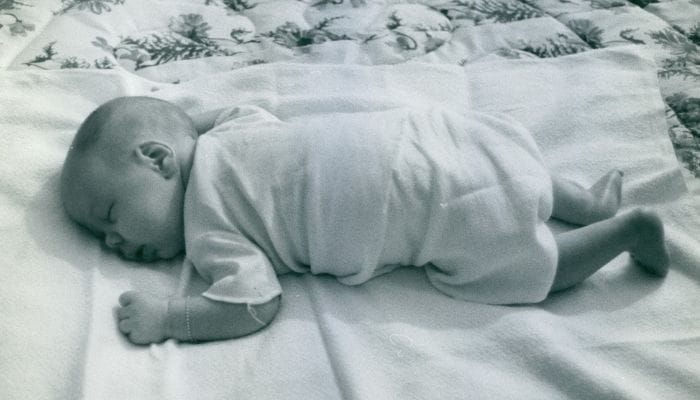
8. Stomach Sleeping Was Doctor's Orders (1940s-1990s)
For decades, medical advice insisted that babies sleep on their stomachs. If you were born before the mid-1990s, you probably slept this way.
What changed: Research in the 1990s revealed that stomach sleeping dramatically increases the risk of Sudden Infant Death Syndrome (SIDS). The "Back to Sleep" campaign launched in 1994, and SIDS rates dropped by more than 50%.
Modern lesson: This shows how quickly medical recommendations can shift based on new research. It's also why your parents might question current advice – what they did "worked fine" for you.
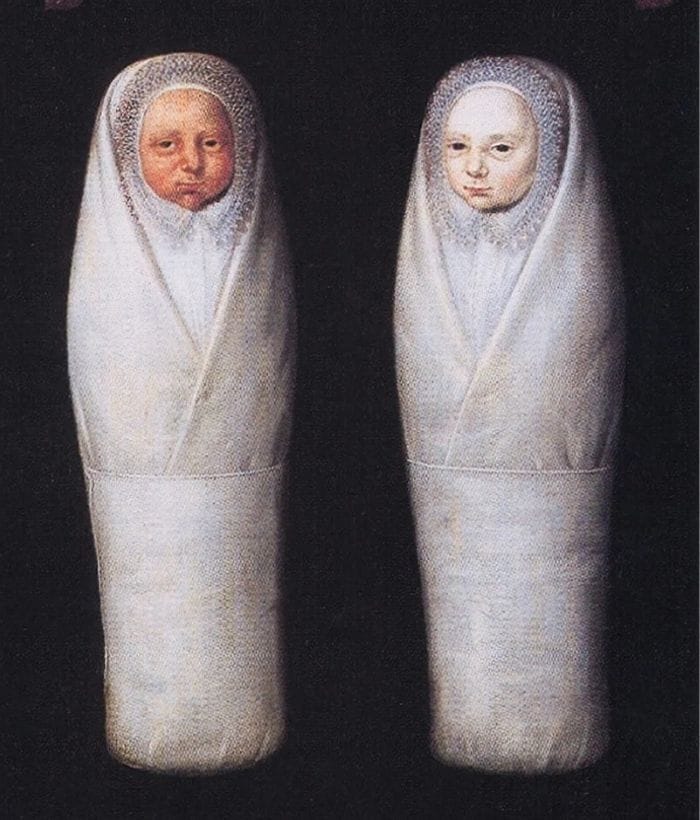
9. Extreme Swaddling Immobilized Infants (Ancient Times-18th Century)
While gentle swaddling is still used today, historical swaddling was extreme. Infants were bound tightly in cloth wrappings for months on end, often left completely immobile in the belief this would "straighten" their limbs and promote proper growth.
Some babies were essentially mummified, unable to move their arms or legs for extended periods. Honestly, reading about this one nearly gave me a panic attack.
Physical Shaping & Discipline
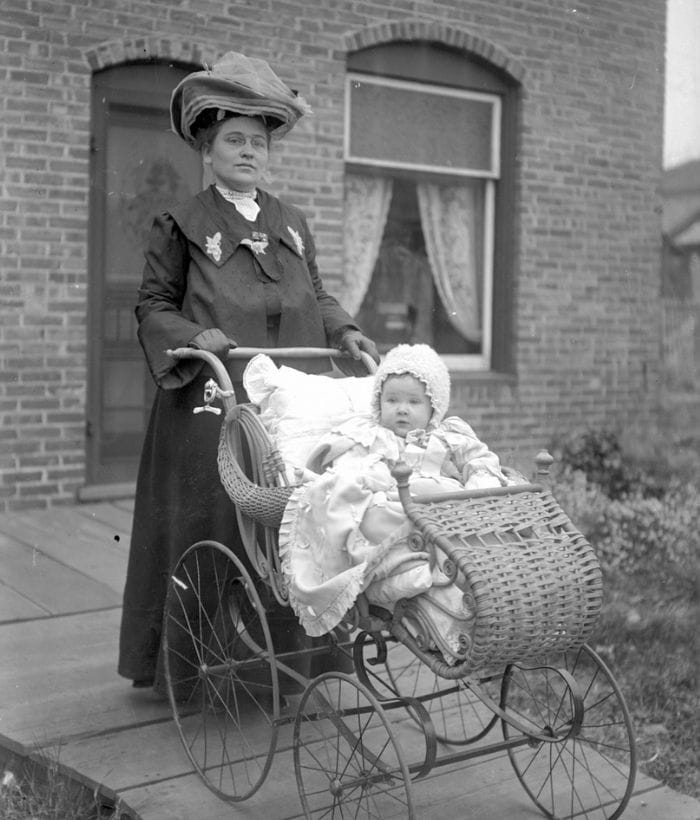
10. Victorian Toilet Training Before Age One (1840s-1900s)
Victorian parents proudly claimed to have toilet trained infants before their first birthday – an impossible feat given that most children don't have the physical ability to control their bladder and bowels until 18-24 months.
The reality: This "training" likely involved punitive measures, rigid scheduling, and ignoring developmental readiness, creating stress for both parent and child.
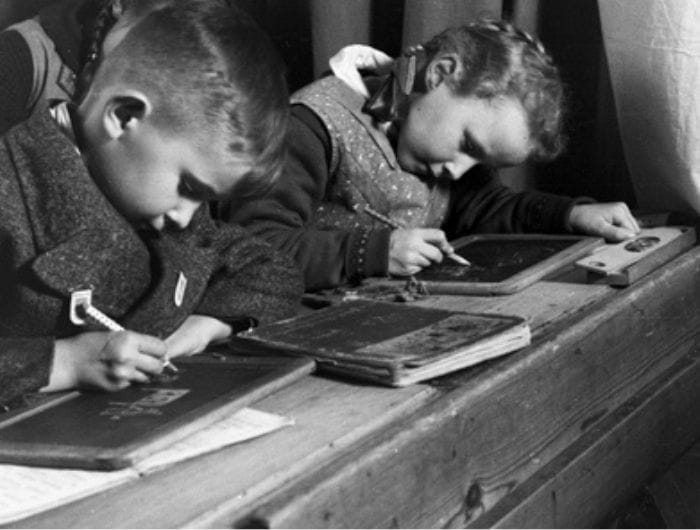
11. Left-Handedness "Correction" (1800s-1970s)
Children's left hands were tied behind their backs or they were punished for using the "sinister" hand (yes, that's where the word comes from), forcing right-handedness regardless of natural preference. This practice continued well into the 1970s, and many who experienced it often developed speech impediments, anxiety, and motor difficulties as a result.
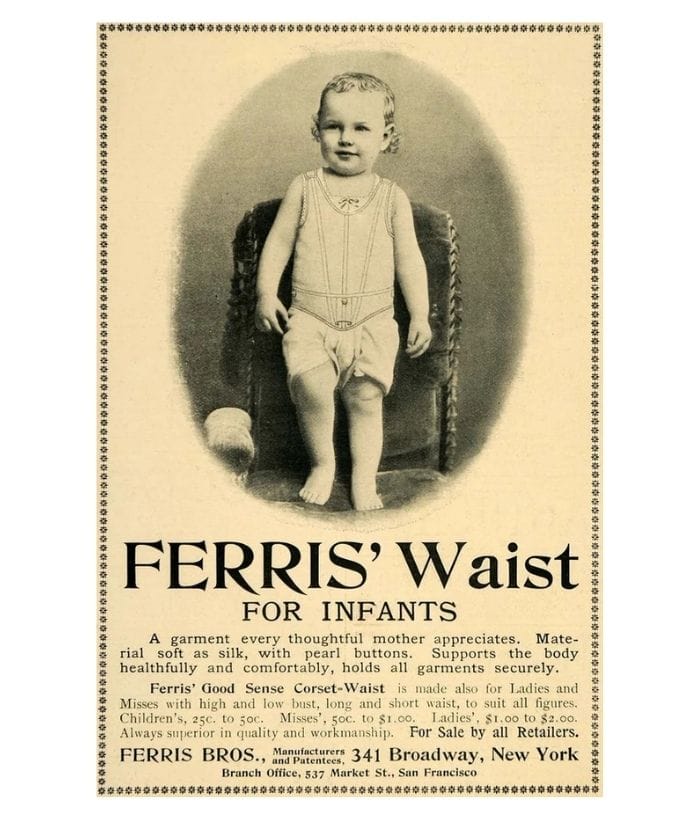
12. Children's Corsets Restricted Growth (1850s-1910s)
Young girls (and sometimes boys) were placed in rigid corsets to enforce "good posture" and create tiny waists. These restricted breathing, limited physical activity, and could damage developing organs and bones.
The practice was driven by aesthetic ideals rather than any health benefit.

13. Head Molding Shaped Skulls (Ancient Times-19th Century in Europe)
Boards, bindings, or specialized apparatus were used to shape babies' skulls into culturally desired forms – sometimes elongated, sometimes flattened – by applying pressure to their developing bones.
Different cultures favored different shapes, but all involved intentionally deforming an infant's skull during this development period.
Medical Treatments
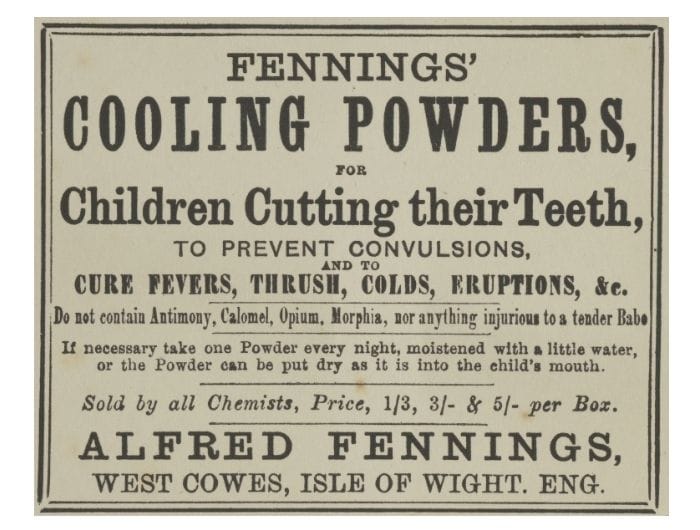
14. Teething Remedies Ranged from Booze to Blades (Ancient Times-Mid-20th Century)
Historical teething remedies were remarkably varied and often dangerous. Common practices included rubbing whiskey or brandy on swollen gums and having doctors lance the gums with blades to "release" emerging teeth. None of these methods actually helped teeth emerge, and some caused serious harm.
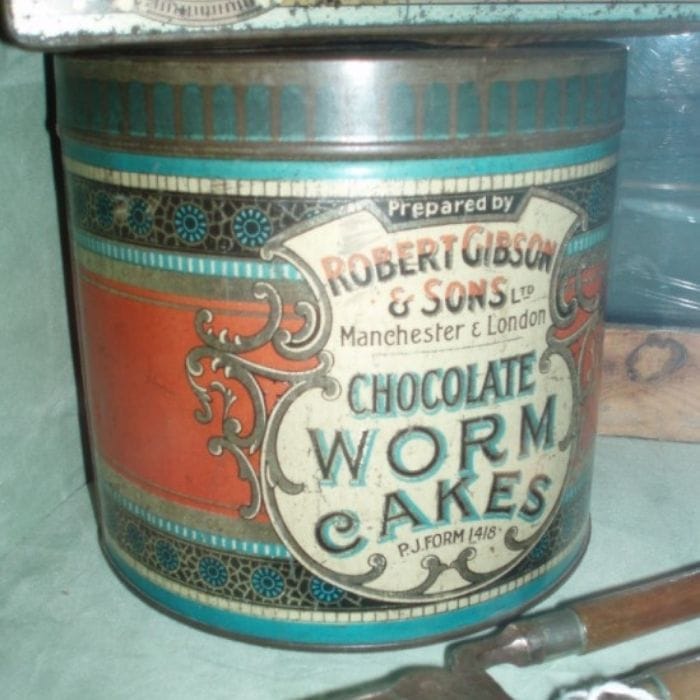
15. Mercury Poisoned Children to "Cure" Worms (16th-19th Century)
Toxic mercury compounds were administered to children suspected of having intestinal parasites. I mean, technically, it worked if the cured person isn't alive anymore to be infected.
As a former advertising person, I feel like they could have come up with a better name than 'chocolate worm cakes' – at the very least, they could have put the emphasis on the word 'chocolate' instead of 'worms'.
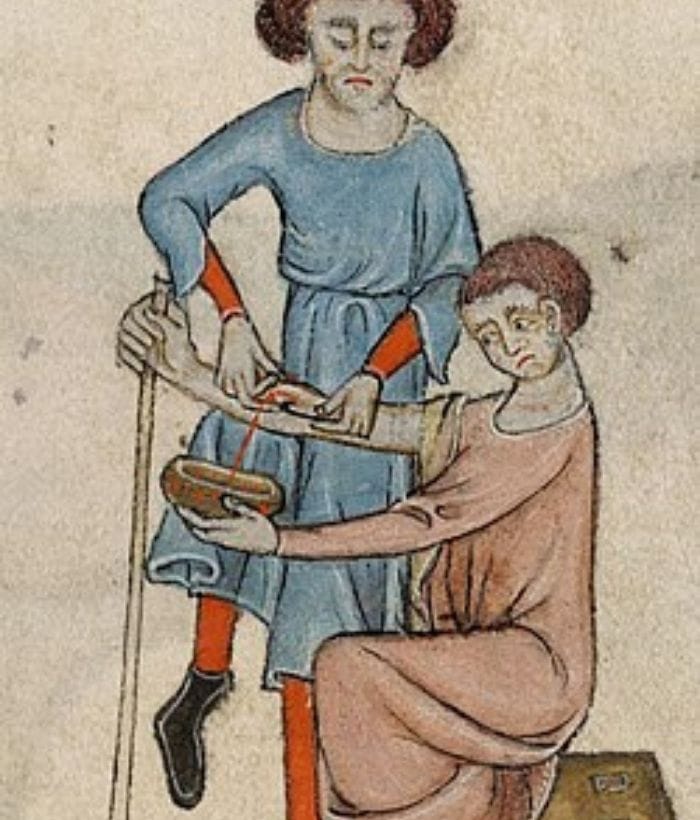
16. Bloodletting Weakened Sick Children (Ancient Times-Mid-19th Century)
Sick children were bled using leeches or lancets to "balance their humors" according to medieval medical theory. Rather than helping, this practice weakened already ill patients, sometimes fatally.
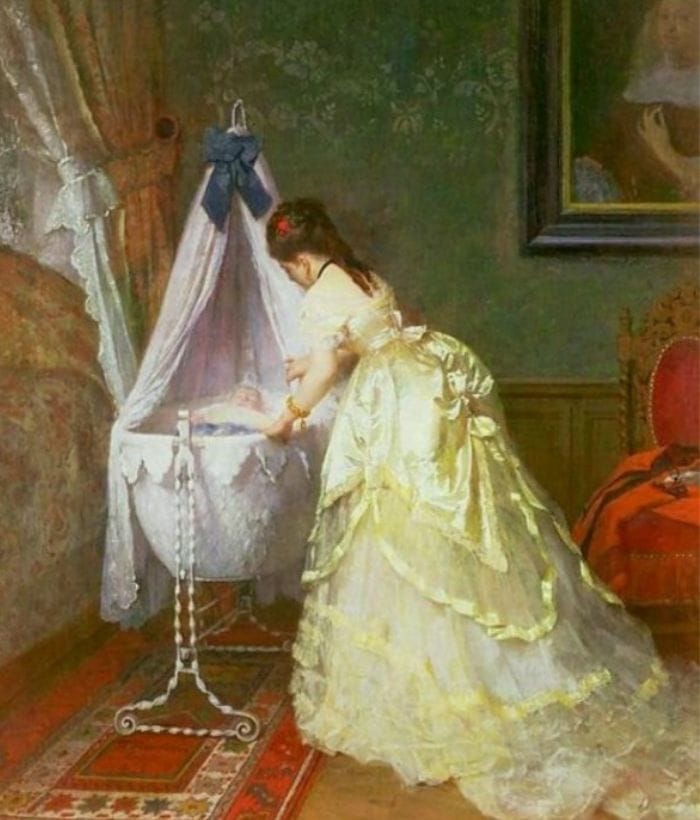
What ended it: The development of germ theory and modern medicine in the late 19th century. Even the person in the painting above clearly had their doubts.
Parenting Philosophy & Beliefs

17. The "No Cuddling" Movement (1920s-1940s)
In 1928, psychologist John B. Watson published Psychological Care of Infant and Child, warning that maternal affection was dangerous. He promoted rigid schedules and discouraged cuddling, rocking, or any physical comfort, claiming this would build independence and self-reliance.
His actual advice included: Never hug or kiss your children. Shake hands with them in the morning. Pat them on the head at night.
The impact: This approach was considered progressive and scientific at the time, influencing a generation of parents. Watson later admitted his own children struggled with the emotional distance he imposed. (Ya think?)
Modern understanding: Attachment theory and decades of research have shown that responsive, affectionate parenting creates secure, independent children – the opposite of Watson's claims. I can't get over what a turd this guy was.
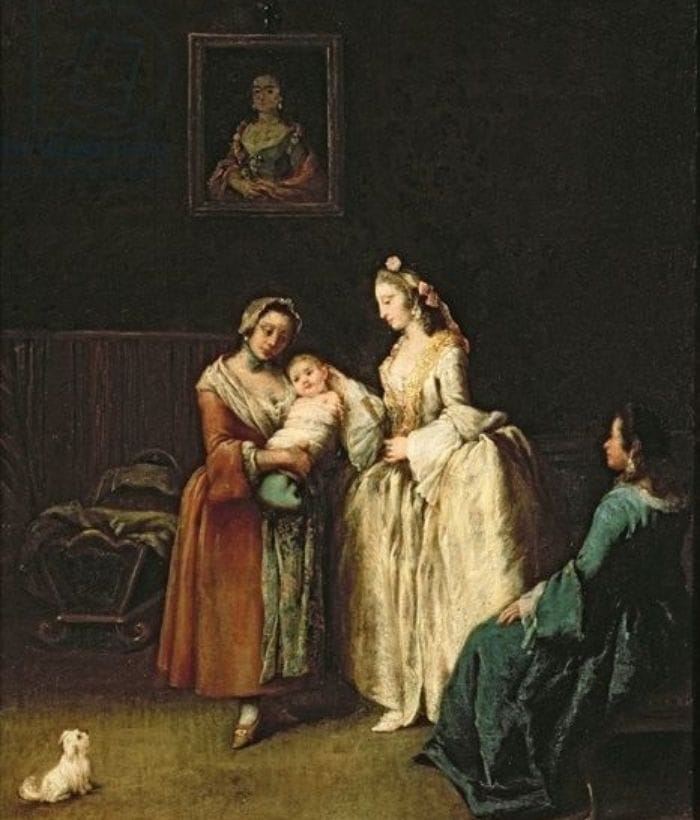
18. Wet Nurse Selection Had Bizarre Rules (Medieval Period-19th Century)
For wealthy families who could afford wet nurses, the selection process was incredibly detailed. Wet nurses should have "ample but not overly large breasts, clear complexions, and slightly plump builds."
The requirements didn't stop there:
- Controlled diet with no excessive salt, spice, or garlic
- If the baby developed diarrhea, the wet nurse ate constipating foods
- Weaning was avoided in summer months
- Weaning only began once the child could eat poultry
This showed both the importance placed on wet nursing and the complete misunderstanding of how breast milk and infant digestion actually work.

19. Maternal Impression Theory Blamed Mothers (Medieval Period-Early 20th Century)
Pregnant women were warned to avoid looking at unattractive or disabled people, as the prevailing belief held that a mother's thoughts and visual experiences could physically mark or deform her unborn child.
The damage: This not only isolated pregnant women but also blamed mothers for birth defects and disabilities completely outside their control.

20. Pox Parties Deliberately Infected Children (1800s-1990s)
Parents deliberately exposed children to chickenpox or measles while young, believing early infection was safer than adult contraction. This practice continued until vaccines became widespread in the 1990s.
The logic: It was actually somewhat sound – chickenpox and measles are generally milder in children than adults.
The problem: Children still died or suffered serious complications from these diseases. Vaccines provide immunity without the risk.
Fun fact: When I was in grade 5, I was the only kid who didn't get the chicken pox. My mom figured I must have had a mild case when I was younger. Nope. I later got it when I was 29. 29!!!! Holy moly, I cannot stress how brutal it was.
What This Means for Modern Parents
After all this reasearch, here's what I think history teaches us.
1. "Expert advice" evolves constantly. What's recommended today may be revised tomorrow. Stomach sleeping was doctor-recommended for 50 years before we discovered it increased SIDS risk.
2. Question the profit motive. Many dangerous practices persisted because companies made money from them (soothing syrups, murder bottles). Always ask who benefits from advice you're given.
3. Trust your instincts alongside evidence. The "no cuddling" philosophy went against every parental instinct, yet was widely followed because it was "scientific." Modern attachment research proves those instincts were right.
4. We're doing better, but we're not done. Future generations will likely look back at some of our current practices with the same horror. That's how progress works.
5. Grace for previous generations. Our parents and grandparents weren't bad parents – they were working with the best information they had. Similarly, you're doing your best with what you know now.
The bottom line: Stay informed, trust reputable sources, and remember that most parenting advice exists on a spectrum, not as absolute rules. Oh, and stock up on soothing syrup if you can.
Related Reading: 27 Amazing Old Images of Breastfeeding Throughout History
About the Author: Amy Morrison is the founder of Pregnant Chicken and mom of two boys who has been writing about pregnancy and new parenthood since 2010. She's spent over 15 years researching parenting trends, debunking myths, and helping new parents navigate the overwhelming world of baby advice with humor and evidence-based information.
More Sources:
- Rima D. Apple, "Constructing Mothers: Scientific Motherhood in the Nineteenth and Twentieth Centuries," Social History of Medicine (1995)
- American Academy of Pediatrics, "Back to Sleep Campaign" historical data
- Watson, J.B., Psychological Care of Infant and Child (1928)
- Centers for Disease Control and Prevention, SIDS prevention guidelines
Have a historical parenting practice that shocked you? Share it in the comments below!


Leave a Comment