
If you're dealing with hemorrhoids (also spelled hemroids, haemorrhoids, or the much-easier-to-spell "piles"), you're not alone. They're one of the most common –and most uncomfortable – side effects of pregnancy. Fun, right?
Quick takeaway: Hemorrhoids are swollen veins in your anal area caused by pregnancy-related pressure and hormonal changes. The good news? There are plenty of safe, effective remedies you can use during pregnancy and while breastfeeding.
Table of Contents
- What Are Hemorrhoids?
- Why Pregnancy Causes Hemorrhoids
- Safe Treatment Options During Pregnancy
- When to See Your Doctor
What Are Hemorrhoids?
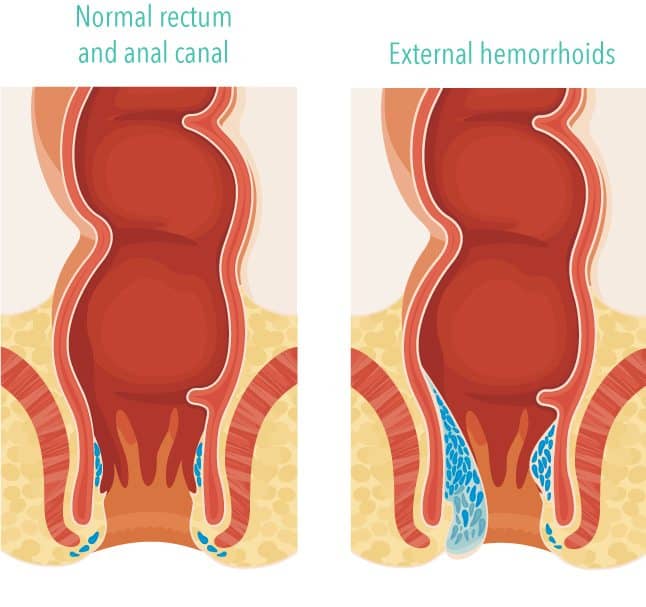
Hemorrhoids are swollen veins in the anal area that can occur internally or externally. They range from raisin-sized to grape-sized, and symptoms vary from person to person. Some women describe mild itching, while others feel like they're sitting on an angry, flaming hedgehog. Not fun.
Why Hemorrhoids Happen During Pregnancy
Pregnancy creates the perfect storm for hemorrhoid development. Here's why:
Your growing uterus puts pressure on pelvic veins. That baby-filled uterus is heavy, and all that extra weight compresses the veins in your rectal area, making hemorrhoids more likely.
Constipation leads to straining. According to the American Pregnancy Association, up to 40% of pregnant women experience constipation. Straining during bowel movements puts additional pressure on already-stretched veins.
Progesterone relaxes vein walls. This pregnancy hormone helps prepare your body for birth by relaxing tissues – including vein walls. While this is great for your pelvic joints, it makes veins more prone to swelling and bulging.
Childbirth itself creates intense pressure. Pushing during delivery can cause hemorrhoids to develop or worsen existing ones. Even the most magical birth can be tough on your bottom.
Safe Treatment Options During Pregnancy
All of these remedies are safe to use while pregnant and breastfeeding:
Reduce pressure on the area. Sit on a donut pillow or choose chairs that let you shift your weight (a rocking chair beats a straight-backed dining chair every time).
Keep the area clean without irritation. Use a peri-bottle or bidet attachment instead of rough toilet paper.
Apply soothing treatments. Pure aloe vera gel cools and calms inflamed tissue. Ice packs (carefully placed) reduce swelling and provide immediate relief.
Try warm soaks. A warm Epsom salt bath – either in your regular tub or a sitz bath – can ease discomfort in just 15-20 minutes.
Use witch hazel pads. Tucks pads reduce inflammation and can be placed on a pad and worn throughout the day for ongoing relief. Pro tip: Check your pant legs before leaving the house. (Trust me on this one.)
Stay hydrated and eat fiber. Preventing constipation in the first place reduces your risk. Aim for 25-30 grams of fiber daily and drink plenty of water.
When to Contact Your Healthcare Provider
While hemorrhoids are common, any new or worsening rectal symptoms in pregnancy should be taken seriously. Contact your doctor or midwife promptly if you notice:
- Rectal bleeding (especially if it is heavy, recurrent, or mixed with stool)
- Severe pain that does not improve with home care or keeps you from daily activities
- A hard or very painful lump around the anus that does not go away
- Signs of infection, such as fever, increasing redness, warmth, swelling, or pus in the area
If you are ever unsure whether bleeding or pain is “normal,” it is safest to check with your healthcare provider.
The Bottom Line
Yes, hemorrhoids are uncomfortable and frustrating. But they're incredibly common – affecting up to 50% of pregnant women according to research – and there are many safe ways to find relief.
You're not alone in dealing with this, and you don't have to suffer in silence.
Got a hemorrhoid remedy that worked for you? Share it in the comments below to help other moms-to-be!
By Emily Ramirez, Parenting Writer
Emily is a mom of two who writes about the science and health side of parenting. She combines research-backed information with real-world experience to help families navigate pregnancy and beyond.
Our next reco: Constipation During Pregnancy

Leave a Comment