
Picking the right breast pump shouldn't feel overwhelming, but with dozens of options and zero pumping experience, it often does. I've been there – staring at product listings wondering "how am I supposed to know if I'll have supply issues?!"
Here's the truth: the right pump can transform your breastfeeding journey from exhausting to manageable. After years of talking with new moms, I've learned that the "best" pump isn't the most expensive one – it's the one that fits your actual life.
Understanding Your Pump Options
Manual Breast Pumps These hand-operated pumps are quiet, portable, and budget-friendly (usually $20-50). I kept one in my diaper bag as a backup and used it occasionally when I needed quick relief. Perfect for moms who pump once in a while or need something for travel, but your hand will get tired fast if you're pumping daily.
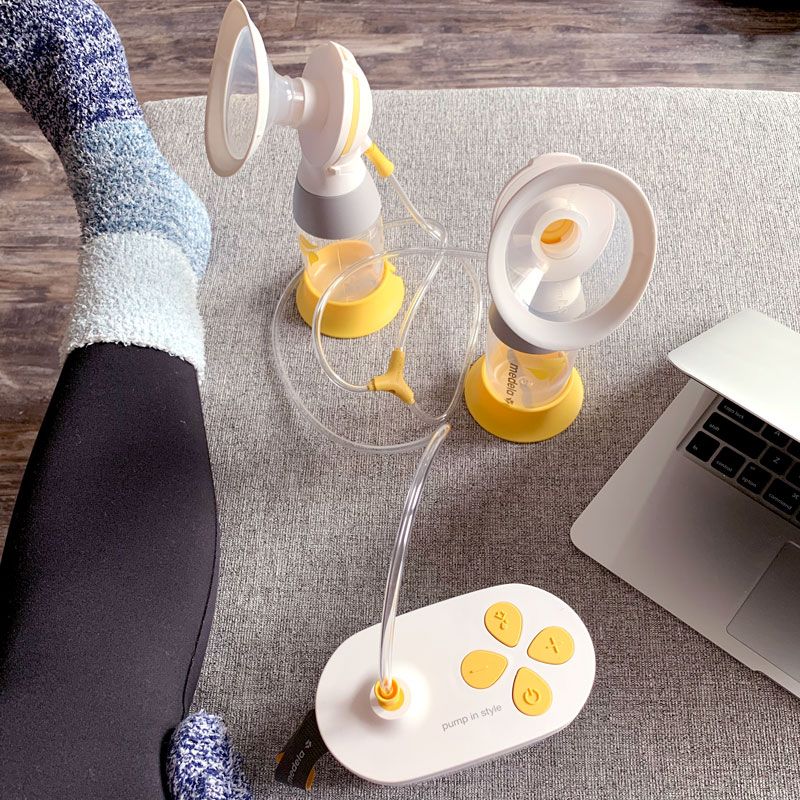
Electric Breast Pumps These plug-in or battery-powered pumps do the work for you – just hook up and go. Most are double pumps (both sides at once), which cuts your pumping time in half. Prices range from $150-400. These tend to be louder than wearable pumps, so keep that in mind if you need to pump discreetly.
Wearable Electric Breast Pumps These hands-free pumps fit right into your bra with no tubes or wires. You can literally pump while chasing a toddler or taking a work call. They're typically quieter than traditional electric pumps, making them great for pumping in shared spaces, though they usually have smaller collection volumes (so you may need to empty them mid-session). They're more expensive ($300-500) but the mobility is a big deal if you need to stay active while pumping.
Hospital-Grade Breast Pumps These heavy-duty pumps cost $1,000-2,000 and are built for multiple users in medical settings with stronger motors and medical-grade components. (Don't confuse these with personal pumps labeled "hospital-strength," which is just marketing language.) Most moms can rent these through hospitals or lactation consultants if needed. Unless your doctor or IBCLC specifically recommends one, you probably don't need this level of power.
5 Questions to Find Your Perfect Pump
1. How often will I actually pump?
Daily pumping? Go electric or wearable. Occasional use or backup? Manual works great.
2. Where will I pump most?
Commuting to work: Get something lightweight with a good carrying case Home-based: Size and weight matter less; prioritize features and power Multiple locations: Battery operation is essential
3. Do I need to stay mobile and quiet?
If you're pumping during work calls or while managing other kids, wearable pumps are worth the investment. If you can sit still in a private space, traditional electric pumps work perfectly (and are usually more affordable).
4. What's my realistic budget?
Insurance usually covers one pump, but out-of-pocket costs vary. Don't assume expensive means better – I've seen $200 pumps outperform $400 models depending on the mom's needs.
5. What will my insurance cover?
Most insurance plans cover breast pumps thanks to the Affordable Care Act, though coverage varies by provider. Some require a prescription from your doctor. Call your insurance company directly or check their website for specific covered models – this can save you hundreds of dollars.
Pro tip: Some companies limit you to specific suppliers or brands, so check before you fall in love with a particular pump.
What I Wish Someone Had Told Me
After hearing from thousands of Pregnant Chicken readers, here's what actually matters:
- Flange fit is everything. An expensive pump with the wrong flange size will be painful and inefficient. Most pumps come with multiple sizes – test them.
- Pumping bras are amazing. Holding flanges for 20 minutes several times a day gets old fast. A $30 pumping bra will change your life.
- You might need different pumps for different situations. You can use an electric pump at home and kept a manual one for quick relief when out.
Quick Decision Guide
Choose manual if: You're pumping occasionally, need a backup, or want something for travel
Choose electric if: You're pumping regularly (daily or multiple times per day) and have a dedicated pumping spot
Choose wearable if: You need to multitask, pump at work discreetly, or stay mobile while pumping
Choose hospital-grade if: Your doctor recommends it for supply issues or medical needs
Next steps: See what breast pumps you qualify for through insurance.
The Bottom Line
Most of your breast pump choices come down to your lifestyle and budget – bigger and more expensive doesn’t always mean better. Narrow it down to two or three options, then see what your insurance will cover. There are some great pumps out ther,e so take the time to find the one that’s best for you. You can find out more in our Free Brest Pump post here.
About the author: Amy Morrison is a mom of two who has been writing about pregnancy and new parenthood since 2010. She's spent over a decade researching infant feeding options and interviewing hundreds of parents about their feeding journeys. Her mission is to provide judgment-free, research-backed information so every parent can make confident choices for their family.
Last updated: January 2026


Leave a Comment