
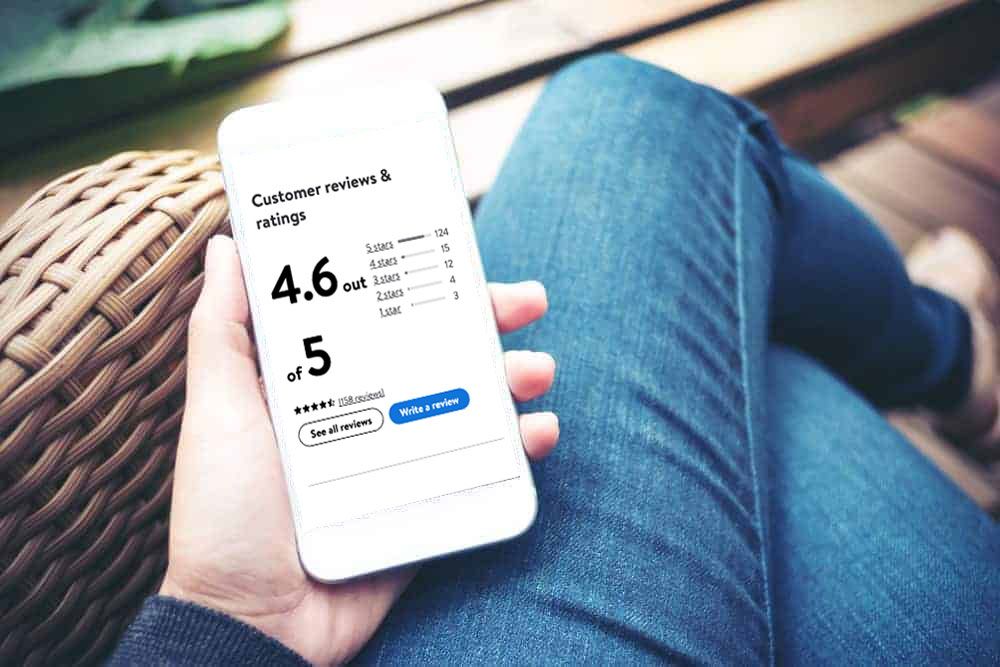
I'll be honest, I used to be pretty naïve about online reviews. When researching baby gear, I'd browse Amazon or other sites assuming most reviews were genuine. Sure, I figured some five-star ratings came from enthusiastic relatives, but I had no idea how sophisticated the fake review industry actually is.
That changed after a dinner conversation with friends in the industry who pulled back the curtain on just how widespread paid reviews have become. What I learned honestly shocked me, and as a mom who's been writing about pregnancy and parenting since 2010, I have to share what I found out.
The Fake Review Scheme: How It Actually Works
Here's the step-by-step process these companies use:
- The pitch arrives: A company emails offering a free product in exchange for a five-star review
- The deception begins: They instruct you to search for the product organically (not click their link) so your visit appears legitimate to platforms like Amazon or Walmart
- The "verified purchase": You buy the product with your own money first, making it a verified purchase
- Post and prove: You write your five-star review and screenshot it for proof
- Get paid: The company refunds the purchase price to your PayPal, sometimes with a bonus
I even discovered that one popular infant monitor brand runs a "Loyalty Club" offering free add-on cameras for reviews. Their instructions specifically tell participants not to mention the free gift because "this is a limited time offer ending in a few days. Others will feel left out." Very slick.
Why This Matters for Baby Products
With everyday items like dish towels or yoga mats, inflated reviews are annoying but relatively harmless. But when we're talking about infant loungers, car seats, strollers, baby monitors, or cribs? Fake reviews become genuinely dangerous.
Parents make safety-critical purchasing decisions based on what they believe are honest peer experiences. When those reviews are purchased, families could end up with substandard (or even hazardous) products protecting their most vulnerable loved ones.
How to Identify Fake Reviews on Baby Products
After learning about these schemes, I developed a system for spotting suspicious reviews. Here's what I find helps:
Check the Review Volume
Only about 1-5% of customers typically write reviews. If a product has hundreds or thousands of detailed reviews, that's a red flag. Real products from real satisfied customers don't generate that kind of response without some "help."
Examine the Review Dates
Look for clusters of reviews posted on similar dates with similar wording. If you see batches of five-star reviews all appearing within the same week or two, chances are they were purchased as part of a coordinated campaign.
Assess the Enthusiasm Level
I'm sure a few people genuinely love their baby monitors, but how many parents do you know who'd voluntarily spend an hour writing a War and Peace-length review complete with professional-quality photos unless they were compensated?
Authentic reviews tend to be shorter, more conversational, and include both pros and cons based on real-world use.
Read the Middle and Low-Star Reviews
This is where you'll find the truth. I particularly look for three-star reviews and comments like "I don't understand how this has so many great reviews."
Here's another twist: some companies don't just pay for positive reviews on their own products – they also pay people to post negative reviews on competitor products. The entire system is compromised from both directions.
Midrange reviews (three stars) typically offer the most balanced, unbiased opinions from actual users.
Look for Verified Purchase Badges (But Don't Trust Them Completely_
While verified purchase badges used to mean something, the schemes I described above specifically game this system. Reviewers are instructed to actually purchase products to get that verification, so the badge alone doesn't guarantee authenticity anymore.
My Take on the Bigger Picture
I understand that selling products online is intensely competitive, and companies need creative marketing strategies. But there's a massive difference between promoting a drawer organizer and falsely representing the safety and quality of products designed for newborns and infants.
When parents are making decisions about items that could literally catch fire around their two-week-old baby, or fail during a car accident, or pose suffocation risks during sleep, the stakes are too high for this kind of deception.
Trust Your Instincts and Do Extra Research
If something feels off about a product's reviews, trust that instinct. Before purchasing important baby gear, I now:
- Cross-reference reviews across multiple platforms
- Search for the product name plus "recall" or "safety issues"
- Check Consumer Reports and independent testing organizations
- Ask real parents in online communities I trust
- Look for detailed video reviews from parents (harder to fake)
The fake review problem might be old news to some of you, but judging by conversations I've had with other parents, many still don't realize how widespread and sophisticated these schemes have become. I wanted to raise this flag for anyone who – like me – assumed online reviews were mostly legitimate.
Have you encountered obviously fake reviews while shopping for baby products? I'd love to hear about your experiences and any additional red flags you've noticed.
Our next reco: What to Get When You’re Expecting – New Baby Checklist
Leave a Comment