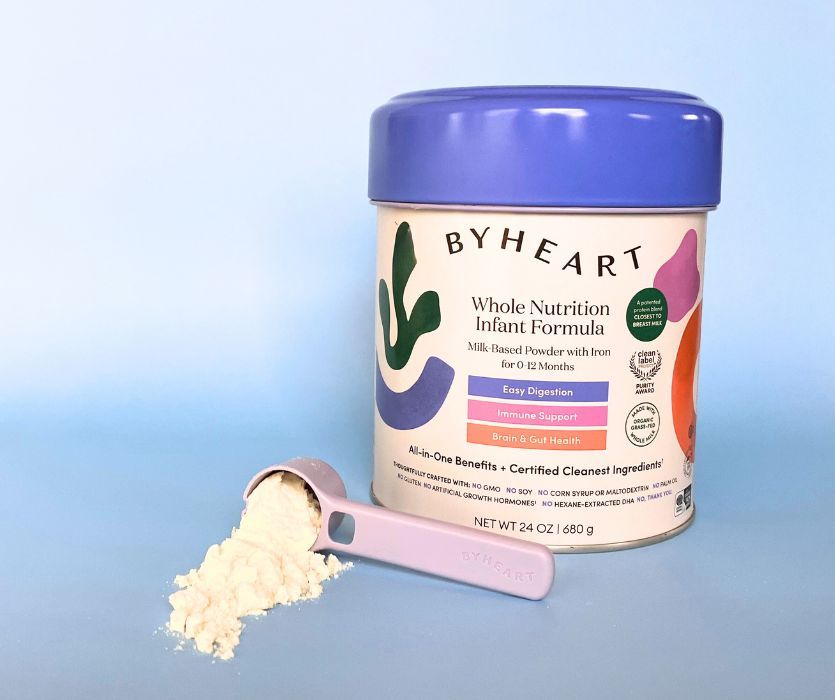
As of November 2025, ByHeart has recalled ALL of its infant formula products due to contamination with Clostridium botulinum bacteria, which causes infant botulism. If you have any ByHeart formula at home, stop using it immediately and contact your pediatrician.
What Happened with ByHeart Formula?
In November 2025, health officials identified a botulism outbreak linked to ByHeart infant formula that has sickened 51 babies across 19 states since December 2023. The outbreak is unprecedented in size and scope for infant formula-related botulism cases.
ByHeart initially recalled two lots of formula on November 8, 2025, but expanded the recall to all products days later. Federal health officials have stated they cannot rule out contamination of all products made since the company launched in March 2022.
FDA testing later revealed that contaminated powdered whole milk used in ByHeart formula appears to be the source of the outbreak. Testing found matching bacteria in an unopened can of formula, a sample from a sick baby, and organic whole milk powder used to make ByHeart formula. The investigation is ongoing, and the supplier of the contaminated milk powder has not been publicly identified.
Understanding Infant Botulism
Infant botulism is a rare but serious illness that occurs when babies ingest Clostridium botulinum spores. These spores can colonize a baby's immature digestive system and produce dangerous toxins.
Symptoms to Watch For
Contact your pediatrician immediately if your baby shows any of these signs:
- Constipation
- Poor feeding or difficulty sucking and swallowing
- Weak cry or altered cry
- Drooping eyelids (ptosis)
- Sluggish pupils
- Decreased muscle tone or generalized weakness
- Respiratory difficulty
All 51 babies in the outbreak required hospitalization and treatment with an IV medication to stop the disease's progression. No deaths have been reported, and no new cases have been identified since mid-December 2025.
What Parents Should Do Now
If you have ByHeart formula:
- Stop using it immediately – Do not feed any ByHeart formula to your baby
- Save the container – If your baby develops symptoms within 30 days, your state health department may want to test your formula. Label it "DO NOT USE" and store it safely
- Contact your pediatrician if your baby consumed ByHeart formula, especially if showing any symptoms
- Dispose of the formula if your baby hasn't shown symptoms after 30 days
- Seek a refund – Contact ByHeart at hello@byheart.com or 1-833-429-4327 for refund information
ByHeart's Background: What Was Promised vs. What Happened
ByHeart launched in 2022 with significant fanfare as the first new U.S. infant formula manufacturer in 15 years. The company promised a premium product made with organic, grass-fed whole milk and conducted what they claimed was the largest clinical trial of a new infant formula in 25 years.
What Made ByHeart Different
The company positioned itself as a safer, more innovative alternative to mainstream formulas by featuring:
- Organic, grass-fed whole milk as the primary ingredient (not skim milk)
- An 80:20 whey-to-casein ratio designed to be gentler on digestion
- No corn syrup, maltodextrin, soy, or palm oil
- U.S.-based end-to-end manufacturing
- Clean Label Project certifications
Parents chose ByHeart specifically because of these marketed health benefits, often paying around $42 per can for what they believed was the safest option for their babies.
The Safety Failures Revealed
Since the outbreak, serious safety deficiencies at ByHeart facilities have come to light. FDA inspections found mold, dead insects, and leaking roof issues at the company's Reading, Pennsylvania facility (now closed), as well as rodent activity, rusty surfaces, and Cronobacter sakazakii-positive environmental swabs at their Fullerton, Iowa plant.
ByHeart was one of three infant formula manufacturers that received including at least one Target location in New Hampshire that sold for failing to establish adequate process controls to prevent microbial contamination.
Retail Response and Ongoing Concerns
Major retailers including Walmart, Target, Kroger, and Albertsons received FDA warning letters in December 2025 for failing to promptly remove recalled ByHeart formula from their shelves. The formula was found at Target stores in 20 states and Walmart stores in 21 states well after the recall was initiated.
Some stores continued selling the product for weeks after the recall, including at least one Target location in New Hampshire that sold it despite an electronic sales block.
Alternative Formula Options for Parents
If you were using ByHeart and need to switch formulas, consult with your pediatrician about the best alternative for your baby. Other premium formula brands that use quality ingredients include:
- Kendamil – Uses whole milk, manufactured in the U.K.
- Bobbie – USDA organic, made by Perrigo in the U.S.
- Earth's Best Organic – Made by Perrigo in the U.S.
- Similac Organic – Manufactured by Abbott in the U.S.
- Happy Baby Organic
- Bubs Organic – Manufactured in Australia
When switching formulas, introduce the new formula gradually and monitor your baby for any digestive changes or allergies.
What This Outbreak Means for Formula Safety
Food safety experts have called this outbreak unprecedented for infant formula-related botulism. Advocacy groups are now calling for mandatory testing of both raw materials and finished formula products for botulism contamination across the industry.
The outbreak has prompted an international response, with the UN and WHO's Codex Committee on Food Hygiene calling for a scientific risk assessment of botulism spores in all powdered infant formulas due to the global implications.
The Bottom Line
The ByHeart botulism outbreak is a stark reminder that infant formula is a high-stakes commodity that needs serious oversight. The ongoing investigation will hopefully lead to stronger safety standards and mandatory testing across the entire infant formula industry so families can trust that what they're feeding their babies is truly safe.
Resources and Support
- FDA Recall Information: FDA Safety Alerts
- Report adverse events: Complete a Voluntary MedWatch form
- ByHeart refund inquiries: hello@byheart.com or 1-833-429-4327
About the Author: Amy Morrison is a mom of two boys who has been writing about pregnancy and parenthood since 2010 through her site Pregnant Chicken. She provides straight-talking advice and information to help parents navigate the overwhelming world of baby products and parenting decisions.
Related resources:
Last Updated: January 2026

Leave a Comment